


 by
by 

Quartiere gay di Tolosa

The phrase Toulouse gay district shows up in my search traffic every week, and every time I have to deliver the same small disappointment: Toulouse does not have a gay district in the postcard sense. There is no Marais, no Chueca, no West Hollywood sign. What Toulouse has instead is a loose triangle in the historic centre where almost the entire LGBTQ+ scene concentrates - anchored by Place du Capitole to the north, Place Saint-Pierre to the west along the Garonne, and the Saint-Aubin quarter to the east. I have walked this perimeter dozens of times over the past four years covering the Pink City for misterb&b, and what strikes me is how un-ghettoised Toulouse feels: the gay bars sit on the same streets as the wine bars and the student cafes, and nobody seems to find that unusual. Most of the gay hotels in Toulouse sit inside or within a ten-minute walk of this triangle, which is really the only geographic fact you need to plan a visit. For maximum comfort and peace of mind, booking LGBTQ+-verified accommodation through misterb&b is always recommended. 🏳️🌈
Why There Is No Official Gay District in Toulouse
Gay Toulouse has always functioned differently from gay Paris. The Marais became the Marais in the 1980s because a specific set of legal and social pressures pushed Parisian queer life into a defensive pocket of the 4th arrondissement. Toulouse, fourth-largest city in France, did not experience the same pressure in the same way. Its historic centre is small enough - the entire pedestrian old town fits inside a thirty-minute walk - that no neighbourhood ever needed to become a walled-off gay enclave. The bars spread naturally across the centre, and most of them opened in venues that had been something else first.
This matters for visitors because it changes what you are looking for. If you are searching for rainbow crossings on every corner and a gay bookshop next to a gay hair salon next to a gay bakery, you will not find that version of the LGBTQ+ urban experience in Toulouse. What you will find instead is something subtler: a city where the gay-friendly map is roughly equal to the centre itself, with a few streets where the density is higher and the rest of the historic core already queer-welcoming by default. Most of the bars in the Carmes, Saint-Pierre and Saint-Cyprien quarters are mixed-crowd, and the student population of the Capitole area (Toulouse has over 130,000 students) softens the whole centre into something permanently tolerant.
The Gay Triangle: Capitole, Saint-Pierre, Saint-Aubin
The practical map of gay Toulouse is a triangle, not a neighbourhood. I have drawn it a hundred times on the back of a napkin for friends visiting for the first time, and it always looks the same. Three anchor points, a twenty-minute walk between any two of them.
Place du Capitole is the northern anchor and the civic heart of the city. The square is dominated by the pink-brick Capitole building (city hall and opera) and ringed by arcades of cafes. This is where the Marche des Fiertés gathers each year - every June, Toulouse hosts the largest LGBTQ+ Pride in the Occitanie region, full details on the Toulouse Gay Pride page. Directly east of the square, behind the opera, runs the first of the two key gay streets: Rue Gabriel Péri.
Place Saint-Pierre is the western anchor, set against the Garonne river. This is not a gay square per se - it is a general student-heavy nightlife hub with a dozen bars opening onto the cobbles - but it is where most gay nights in Toulouse actually start. You meet friends for an aperitif on one of the terraces, you watch the sunset over the river, and then around 10pm the group starts drifting east across the old town toward the real gay bars.
Saint-Aubin is the eastern anchor and the late-night pole. The quarter sits just past the Jean Jaurès metro, centred on its namesake church and a Sunday farmers' market that has become a weekend institution. By day it is quiet and residential; by night, it holds some of the city's most enduring gay-friendly dance venues. The walk from Place du Capitole to Saint-Aubin takes about fifteen minutes and passes directly through the bar cluster on Rue Gabriel Péri - which is why the night always ends east, never west.
For the spatial view with every venue located, the gay map of Toulouse is the fastest way to plan before arrival.
The Two Streets That Carry Gay Toulouse
Inside the triangle, two streets do most of the work. They run roughly parallel, both pedestrianised in their commercial stretches, both walking distance from the Capitole metro, and between them they hold the majority of the city's gay venues.
Rue Gabriel Péri is the spine. It starts behind the Capitole building and runs east toward Jean Jaurès, and it has been the main gay bar street in Toulouse for at least three decades. The density is not Marais-level, but by Toulouse standards it is concentrated - you can walk four bars in ten minutes without crossing a major road. The crowd is a mix of students, locals in their thirties and forties, and the bear/leather community that has always had a foothold in the city.
Rue Saint-Ferréol is the complement, running parallel a couple of blocks south. It holds fewer bars but tends to carry the sauna side of the scene, plus a couple of late-night spots that pick up when Gabriel Péri winds down around 2am. The two streets together are the closest thing gay Toulouse has to a dense gay district, and most locals will send you to one or the other depending on your mood.
For the complete venue inventory with opening hours and cross-references, see our dedicated pages on gay bars in Toulouse and on gay saunas in Toulouse.
A Night Inside the Gay Triangle of Toulouse
Gay Toulouse runs on a rhythm that took me three visits to recognise. It starts late by southern French standards - nobody sensible arrives before 10pm - and it moves east over the course of the night in an almost ritual progression. The rhythm shapes the district more than any individual venue does, which is why understanding it matters more than memorising a bar list.
Aperitif hour lands on the terraces around Place Saint-Pierre or the small pedestrian streets north of the Capitole. One of my favourite early-evening spots is the tea room on Rue Baour Lormian, the little pedestrian street between Place du Capitole and Place Roger Salengro, where I have started more Toulouse nights than I can count - the shaded terrace, the slow service, the way the sun drops behind the pink brick. Around 10pm the group migrates east on foot, crossing the centre toward Rue Gabriel Péri.
The bar stretch peaks between 11pm and 1am, with the crowd circulating between the Gabriel Péri venues and the Saint-Ferréol side streets. When I want something quieter and warm, I head to the Bears Bar in the Capitole area, which does theme nights that draw a devoted bear crowd and genuinely make no compromise on the cocktails. Around 2am the energy shifts east again, this time toward the Saint-Aubin quarter and the dance floor at the Limelight Club - the Saint-Aubin venue I keep coming back to, where pop-techno sets push through to sunrise and the heated patio is the only place in the city to find breathable air at 5am. For the weekly circuit context - bear nights, techno parties, leather gatherings - see our gay parties in Toulouse page.
Where to Stay Inside the Gay Triangle of Toulouse
Because the gay scene is spread across the triangle rather than concentrated on a single street, where you sleep defines your Toulouse. Stay inside the Capitole-Wilson perimeter if you want to be a two-minute walk from the opera square and within ten minutes of every gay bar in town. Stay closer to Saint-Pierre if you want the riverside views and the quieter Garonne walks, accepting a slightly longer walk to reach the bars at night. Stay near Saint-Aubin or Jean Jaurès if you prioritise being close to the late-night dance venues and do not mind that the daytime ambiance is more residential than touristy.
The misterb&b offer in Toulouse splits roughly into three categories - gay-friendly hotels inside the Capitole perimeter, independent apartments across the centre, and private rooms hosted by local gay residents (often the best conversational introduction to the city). I recommend the private-room option for a first visit because Toulouse really rewards local context: the hosts know which bar reopened last month, which area of the Saint-Aubin market is the good Sunday, which tram stop is the fastest escape from the Limelight at 5am. The gay BnB in Toulouse page compares all three formats.
The difference between a great Toulouse trip and a frustrating one is usually a twenty-minute walk. Staying inside the gay triangle eliminates it.
See all gay hotels in ToulouseBeyond the Gay Triangle: Saint-Cyprien and the Canal
The LGBTQ+ map of Toulouse does not actually stop at the triangle. Across the Garonne, the Saint-Cyprien quarter has quietly become the city's alternative cultural hub - not a gay neighbourhood exactly, but a zone where queer-friendly cafes, vegetarian restaurants and independent cinemas have concentrated over the past decade. It is less bar-dense than Gabriel Péri but more daytime-welcoming, and many of my favourite lazy Saturday mornings in Toulouse have happened on the Saint-Cyprien side, in the Marché Saint-Cyprien or along the river promenade that runs north from the Pont Neuf.
The second extension is the Canal du Midi, which runs east from the Jean Jaurès end of the gay triangle. It is not a gay-specific zone, but its shaded towpath is a daily summer destination for the local LGBTQ+ population - runners, cyclists, couples, picnic groups - and it is the quickest way to exit the historic centre without losing the queer-friendly atmosphere. For the legal and safety context that applies across the Pink City, see our is Toulouse safe for gay travelers page, and for the wider country picture, the gay France safety guide covers national law and regional differences. The full destination overview sits on our gay Toulouse guide.
Why misterb&b for the Toulouse Gay Triangle
In a city without a formal gay district, the value of a verified LGBTQ+-welcoming listing multiplies. Mainstream platforms treat Toulouse as a generic French mid-size city, which leaves gay travelers to decode the geography themselves - which arrondissement, which tram line, which side of the Garonne. misterb&b surfaces the information that actually matters: which hosts live inside the Capitole-Saint-Pierre-Saint-Aubin triangle, which apartments put you within walking distance of Rue Gabriel Péri, which neighbourhoods keep you close to the bars without sacrificing morning quiet. This data is exclusive to misterb&b and is not available on any other platform.
Join Weere, the LGBTQ+ community with 1,000,000+ members 🏳️🌈
FAQ - Gay District in Toulouse
Should I book accommodation through misterb&b for Toulouse's gay scene?
Yes, and it matters more than people think in Toulouse. Because the gay scene here is scattered rather than concentrated, your choice of where to sleep determines whether you need a ten-minute walk or a thirty-minute tram ride to reach the bars. Every apartment, private room and hotel listed on misterb&b in Toulouse is verified as LGBTQ+-welcoming, and the hosts tend to live within the Capitole/Saint-Pierre perimeter - exactly the arc you want to be in. Booking through misterb&b also surfaces the context Google Maps never gives you: which street is actually lively on a Tuesday, which side of the Garonne is quieter at night, which bar has reopened after renovations.
Where is the gay district in Toulouse?
Toulouse does not have a formal gay district with signage and rainbow crossings like the Marais in Paris or Chueca in Madrid. The closest answer is a loose triangle in the historic centre, with Place du Capitole as the northern anchor, Place Saint-Pierre as the western anchor (riverside nightlife), and the Saint-Aubin quarter as the eastern anchor. Inside that triangle you find almost every gay bar, club and sauna in the city, plus the two pedestrian streets that host most of them: Rue Gabriel Péri and Rue Saint-Ferréol. Place du Capitole itself is where the Marche des Fiertés gathers each June.
Why does Toulouse not have a visible gay neighborhood like Paris or Madrid?
Two reasons. First, Toulouse is France's fourth-largest city but its historic centre is compact - the whole pedestrian zone fits inside a thirty-minute walk, so there is little pressure for the LGBTQ+ economy to cluster into a defensive pocket the way it did in Paris in the 1980s. Second, the gay-friendly culture of the city extends well beyond any single block. Most bars in the Carmes, Saint-Pierre and Saint-Cyprien quarters are mixed-crowd and queer-welcoming by default, which means the gay scene never had to concentrate to feel safe. What you get instead is an archipelago - three or four streets with a clear density, surrounded by a much larger zone of casual queer friendliness.
Which streets in Toulouse have the most gay bars?
Rue Gabriel Péri is the single street with the highest concentration - it runs east from the back of the Capitole toward the Jean Jaurès metro, and it has historically held several of the city's most established gay bars and clubs. Rue Saint-Ferréol runs parallel and holds additional venues including saunas. Rue Baour Lormian, a small pedestrianised street between Place du Capitole and Place Roger Salengro, holds a gay-friendly tea room and restaurant crowd. Place Saint-Pierre, by the river, is not a gay square per se but it is where the pre-bar crowd often starts the night before walking east to Gabriel Péri. For the full spatial picture, see the gay map of Toulouse linked above.
Is the Capitole area of Toulouse safe for gay travelers at night?
Yes. France as a whole scores consistently high on LGBTQ+ legal protections, and Toulouse benefits from a young student population and a long-standing queer cultural presence that make the historic centre unremarkable for visible LGBTQ+ visitors. The Capitole, Saint-Pierre and Saint-Aubin zones are pedestrian-heavy, well-lit and patrolled through the night during weekends. The only real advice is standard big-city awareness - keep belongings visible on late-night trams, and the area around the main train station (Matabiau) has a livelier street atmosphere than the old town at 2am. For the broader country context, see our gay France safety guide linked above.
Sources: misterb&b in-house destination data (2026) - ILGA-Europe country ranking, France - Toulouse Métropole population and student demographic data - author on-the-ground reporting, 2022-2026.





Disponibilità confermata


Prenotato 6 volte
Casa Intera •
Tolosa
Condivido consigli locali • Luoghi LGBTQ+ nelle vicinanze • Gym adiacente
Disponibilità confermata
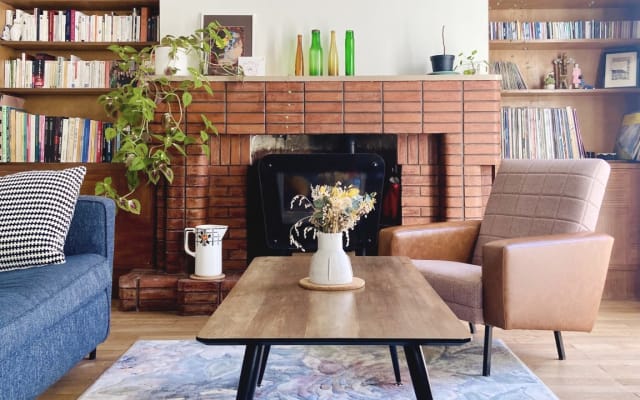

Prenotato 13 volte
Stanza privata •
Tolosa
Abbigliamento facoltativo accettato • Condivido consigli locali • Luoghi LGBTQ+ nelle vicinanze
Disponibilità confermata


Prenotato 102 volte
Spazio condiviso •
Tolosa
Abbigliamento facoltativo accettato • Condivido consigli locali • Luoghi LGBTQ+ nelle vicinanze
Disponibilità confermata
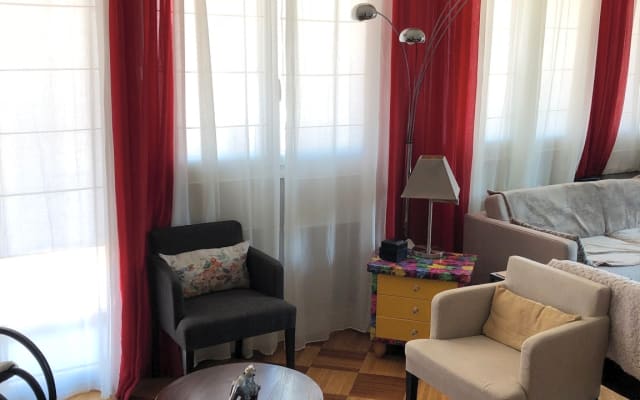

Prenotato 51 volte
Stanza privata •
Tolosa
Abbigliamento facoltativo accettato • Condivido consigli locali • Luoghi LGBTQ+ nelle vicinanze
Disponibilità confermata


Prenotato 34 volte
Stanza privata •
Tolosa
Abbigliamento facoltativo accettato • Condivido consigli locali • Luoghi LGBTQ+ nelle vicinanze
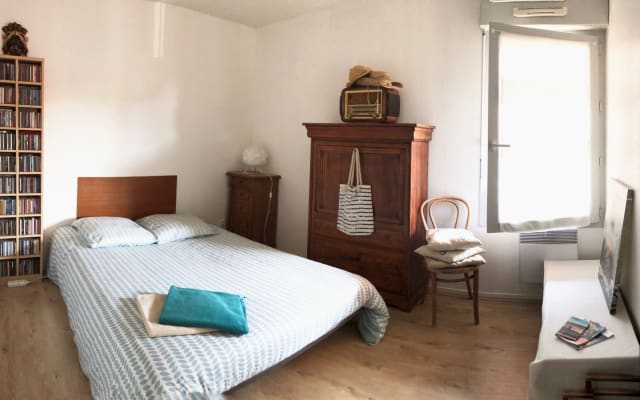

Prenotato 73 volte
Stanza privata •
Tolosa
Abbigliamento facoltativo accettato • Condivido consigli locali • Luoghi LGBTQ+ nelle vicinanze
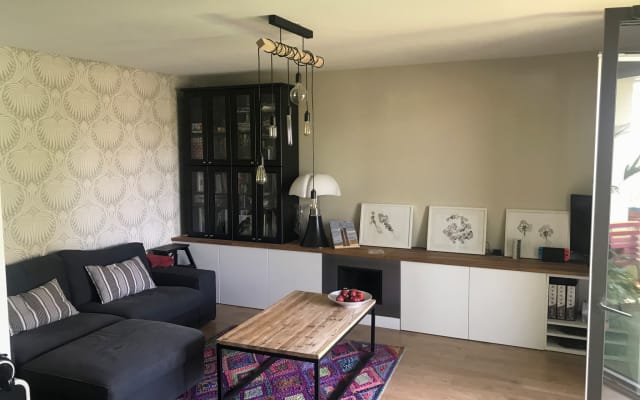

Prenotato 60 volte
Stanza privata •
Tolosa
Condivido consigli locali • Wi-Fi • Riscaldamento


Prenotato 16 volte
Stanza privata •
Tolosa
Abbigliamento facoltativo accettato • Condivido consigli locali • Luoghi LGBTQ+ nelle vicinanze
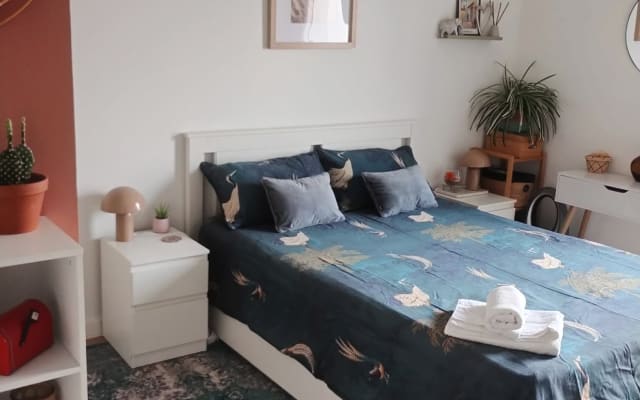

Prenotato 8 volte
Stanza privata •
Tolosa
Condivido consigli locali • Luoghi LGBTQ+ nelle vicinanze • Wi-Fi


Prenotato 12 volte
Stanza privata •
Tolosa
Wi-Fi • Cucina • Riscaldamento


Prenotato 4 volte
Stanza privata •
Tolosa
Abbigliamento facoltativo accettato • Condivido consigli locali • Luoghi LGBTQ+ nelle vicinanze


Prenotato 27 volte
Spazio condiviso •
Tolosa
Wi-Fi • Parcheggio • Aria condizionata
/location_photos/data/13467/original/32243714-2045561139036945-2815859582360879104-n-1537440076.jpg)
/location_photos/data/12898/original/1467263-182380041967568-38068948-n-1513699608.jpg)
/location_photos/data/15042/original/les-20jumeaux-20-1-1786980992.jpg)
Annuncio pubblicitario
/location_photos/data/5624/original/le-kalinka.jpg)
/location_photos/data/6226/original/l-atelier-65-ex-les-ecuries-d-athena.JPG)
/location_photos/data/13461/original/12105812-1082157708493940-5552470574982196730-n-1537433049.jpg)