


 by
by 

/location_photos/data/14681/original/mongolia-2000x800-1776263730.jpg)
Gay Guide Mongolia

Written by
Marc Dedonder
Marc Dedonder
May 02 2026
I've spent real time tracking the gay Mongolia travel scene through misterb&b's data and community reports, and I'll tell you this upfront: Mongolia is not an easy destination for LGBTQ+ travelers, but it is a possible one. Gay travel in Mongolia centers almost entirely on Ulaanbaatar, the capital, where a small and resilient queer community has been carving out its own space since the 1990s. The country legalized homosexuality in 1993, introduced anti-discrimination protections in 2017, and has seen annual Pride-style events since 2014 - yet the social reality outside these legal advances remains conservative and, in places, hostile. That tension is real and should inform how you plan your trip. As someone who follows this scene closely through misterb&b bookings and community reports, I can say the safest, most comfortable way to experience LGBTQ+ Mongolia is with the right accommodation and the right expectations. For maximum comfort and peace of mind, booking LGBTQ+-verified accommodation through misterb&b is always recommended. 🏳️🌈
1993
Year homosexuality was decriminalized in Mongolia. Same-sex relations between adults have been legal since Mongolia's democratic transition. Source: Mongolian Criminal Code reform, 1993.
Gay Mongolia: What LGBTQ+ Travelers Need to Know
Mongolia sits in an interesting position for LGBTQ+ travel. The legal framework is more progressive than most of Central Asia: homosexuality is legal, anti-discrimination law covers sexual orientation (since 2017 via the Penal Code, strengthened further in the Labor Code from 2022), and hate crime legislation explicitly includes sexual orientation as a protected characteristic. This makes Mongolia legally better positioned than many of its neighbors.
The social reality, however, lags behind the legislation. Public attitudes remain largely conservative, shaped by a traditionally nomadic culture and a degree of social pressure around gender norms. A 2019 report by the LGBT Centre found that 79% of LGBTQ+ young people in Mongolia had experienced bullying, discrimination, or ostracism. That figure matters for any traveler trying to assess real conditions on the ground.
Ulaanbaatar is where LGBTQ+ life is concentrated. The city has a small number of gay-friendly venues, an active LGBT Centre that has operated officially since 2007, and an annual Equality and Pride Days event organized every summer. Outside the capital, discretion becomes essential.
For more detail on the legal and safety landscape, read our full guide on whether Mongolia is safe for gay travelers.
LGBTQ+ Life in Ulaanbaatar
Ulaanbaatar is the nucleus of any gay experience in Mongolia. The city of roughly 1.5 million is home to the LGBT Centre (officially registered since 2009), which serves as the main hub for community organizing, advocacy, and social events. The Centre has been a persistent force behind Mongolia's incremental legal gains and organizes the annual Equality and Pride Days that draw hundreds of participants each year.
The city does have a small number of gay-friendly bars and social spaces, particularly in the central districts around Sukhbaatar Square. These venues tend to operate with a low profile and cater to a mixed crowd, reflecting the need for some discretion in a city where public attitudes toward visible queerness remain unpredictable. Asking your misterb&b host for current venue recommendations is one of the most reliable ways to get real-time, on-the-ground intelligence.
Public displays of affection between same-sex couples are not advisable in Ulaanbaatar, and especially not outside the capital. Travelers who have visited through misterb&b consistently report that the key is to stay informed, stay connected to the local community, and avoid drawing unnecessary attention in unfamiliar areas.
Practical LGBTQ+ Travel Tips for Mongolia
| Situation | Advice |
|---|---|
| Arriving at the airport | No issues at immigration - immigration officers are not concerned with sexual orientation |
| Checking into hotels | Book through misterb&b to ensure your accommodation is explicitly gay-welcoming |
| Public transport | Avoid PDA; behave as you would in a conservative rural environment |
| Restaurants and cafes | Generally fine; central Ulaanbaatar is relatively cosmopolitan |
| Countryside travel | Exercise strong discretion; nomadic communities hold traditional values |
| Connecting with local LGBTQ+ community | The LGBT Centre in Ulaanbaatar is the best contact point for community events |
The biggest practical shift for gay travelers to Mongolia is adjusting expectations around visible queerness. The country rewards patience, cultural openness, and a willingness to connect with the local community on its own terms. Those who do often find unexpected warmth.
LGBTQ+ History and Rights in Mongolia
Mongolia's history with LGBTQ+ rights reflects a dramatic arc from criminalization to cautious progress. Homosexuality was criminalized under the Soviet-influenced Criminal Code of 1961, but following Mongolia's democratic revolution of 1990, the law was revised and same-sex relations between consenting adults were decriminalized in 1993.
The first gay organization, Tavilan (meaning "destiny" in Mongolian), was founded in 1999. The LGBT Centre was registered in 2009 and has since become the primary engine of advocacy. Key legal milestones include the 2017 Penal Code prohibiting discrimination on the basis of sexual orientation and gender identity, the 2022 Labor Code extension of those protections to employment, and persistent hate crime provisions that make targeted violence against LGBTQ+ people an aggravating factor in criminal sentencing.
The International Day Against Homophobia, Transphobia and Biphobia has been marked in Mongolia since 2011. Pride-style events have been held annually since 2014. The UN Human Rights Committee, in reports from 2024 and 2025, urged Mongolia to go further - particularly on recognizing same-sex relationships and improving police accountability toward LGBTQ+ people. Progress continues, driven primarily by civil society.
To understand the current safety climate in full detail, see our dedicated Mongolia safety guide for gay travelers.
Gay-Friendly Accommodation in Mongolia
Finding accommodation where you will genuinely be welcomed as a gay traveler is the single most important logistics decision for a trip to Mongolia. misterb&b lists properties in Ulaanbaatar where hosts have explicitly chosen to welcome LGBTQ+ guests - a meaningful filter in a country where social attitudes are variable.
Browse verified gay-friendly stays in Ulaanbaatar and across Mongolia.
Find Gay-Friendly Stays in UlaanbaatarFor a broader view of venues, events, and places - see our interactive gay map of Mongolia.
Connect with the LGBTQ+ travel community before your trip to Mongolia. Weere brings together 1,000,000+ members who travel, share real experiences, and help each other navigate destinations like this one. 🏳️🌈
FAQ - Gay Travel in Mongolia
Should I book gay-friendly accommodation for Mongolia through misterb&b?
Absolutely. Given the conservative social climate in Mongolia, staying in explicitly LGBTQ+-verified accommodation is the single most effective step you can take for a comfortable trip. Every host on misterb&b has been vetted and has explicitly chosen to welcome gay guests, removing any uncertainty about your welcome. This data is exclusive to misterb&b and is not available on any other platform.
Is Mongolia LGBTQ+ friendly for travelers?
Mongolia has a complex picture. Homosexuality has been legal since 1993, and anti-discrimination laws covering sexual orientation are on the books since 2017. However, social conservatism remains strong, public displays of affection between same-sex couples are not advisable, and same-sex partnerships have no legal recognition. Ulaanbaatar has a small but active LGBTQ+ community centered around the LGBT Centre.
Is there a gay scene in Mongolia?
Yes, a modest but real gay scene exists in Ulaanbaatar. The capital has a small number of gay-friendly bars and the LGBT Centre organizes community events including the annual Equality and Pride Days. Outside the capital, the scene is effectively nonexistent and travelers should exercise greater discretion.
Is same-sex marriage legal in Mongolia?
No. The 1992 Mongolian Constitution explicitly defines marriage as a union between a man and a woman. Same-sex relationships have no legal recognition under Mongolian law, and same-sex couples are not eligible for the same protections available to heterosexual couples.
What is the best area to stay for gay travelers in Ulaanbaatar?
The central districts of Ulaanbaatar, particularly around Sukhbaatar Square and the areas near the State Department Store, are the most cosmopolitan and relatively tolerant parts of the city. Booking LGBTQ+-verified accommodation through misterb&b ensures a welcoming stay regardless of which neighborhood you choose.
Sources: Mongolian Criminal Code (2017 revision) - Section 14.1.1 on anti-discrimination; Mongolian Labor Code (2022) - Article 6 on employment non-discrimination; UN Human Rights Committee, Mongolia review, 2024-2025; The Advocates for Human Rights, shadow report February 2025; Outright International, Mongolia country profile; Wikipedia - LGBTQ rights in Mongolia (updated December 2025); Equaldex, Mongolia profile.
Ready to make friends, join activities, or find dates in Mongolia?
Join our thriving LGBTQ+ community of 1M and start connecting!

Mongolia: The best gay-friendly hotels
Welcoming
Instant booking

Hotel •
***
Ulaanbaatar
Wi-Fi • Parking • Restaurant
Welcoming
Instant booking

Hotel •
****
Ulaanbaatar
Wi-Fi • Parking • Pets allowed
Welcoming
Instant booking

Hotel •
Ulaanbaatar
Adult Only • Restaurant • Bar
Welcoming
Instant booking
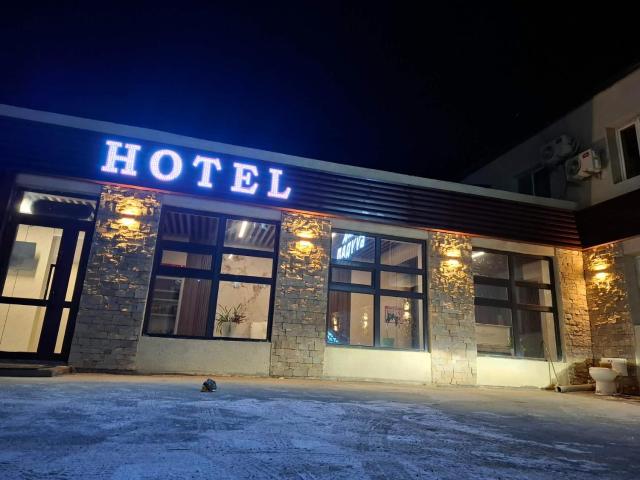
Hotel •
Dalanzadgad
Welcoming
Instant booking
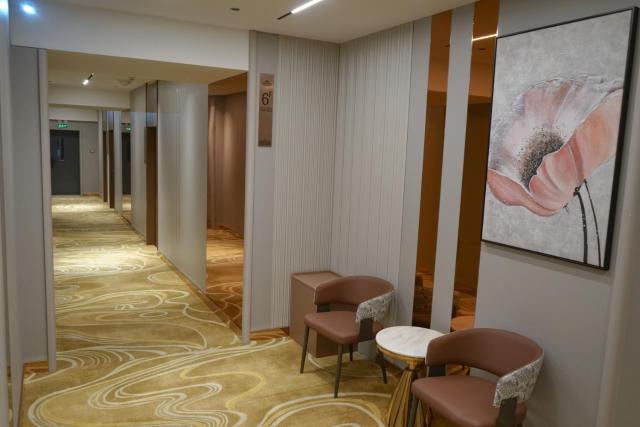
Hotel •
***
Khovd
Wi-Fi • Parking • Restaurant
Welcoming
Instant booking

Hotel •
Ulaanbaatar
Wi-Fi
Welcoming
Instant booking
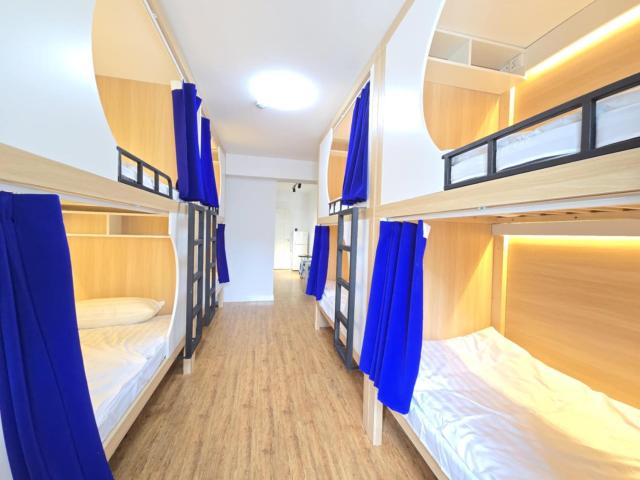
Hotel •
Ulaanbaatar
Parking • Pets allowed
Welcoming
Instant booking

Hotel •
Burd
Restaurant
Welcoming
Instant booking
Hotel •
****
Ulaanbaatar
Wi-Fi • Hot tub • Spa
Welcoming
Instant booking
Hotel •
Zuunmod
Wi-Fi • Parking • Pets allowed
Welcoming
Instant booking
Hotel •
Ulaanbaatar
Wi-Fi • Hot tub • Parking
Welcoming
Instant booking
Hotel •
****
Ulaanbaatar
Breakfast included • Wi-Fi • Bar
Want to promote your business in our guide?