


 by
by 

/location_photos/data/14680/original/albania-2000x800-1776263717.jpg)
Gay Guide Albania

Written by
Marc Dedonder
Marc Dedonder
May 15 2026
Gay Albania is one of the Balkans' most intriguing - and most misunderstood - destinations for LGBTQ+ travelers. I've covered Albania's emerging scene closely, and I can say with confidence that this country rewards those who approach it with curiosity and a degree of preparedness. Gay Albania travel is entirely possible and increasingly rewarding, centered almost entirely on Tirana, the capital, where a small but proud LGBTQ+ community has carved out real visibility over the past decade. The coast - particularly around Ksamil and Sarande - attracts a more open-minded, internationally minded crowd every summer, making gay Albania a genuinely compelling choice for adventurous travelers seeking something beyond the usual circuit cities. Albania legalized same-sex relations in 1995 and adopted comprehensive anti-discrimination protections in 2010. The legal foundation is there; the social reality, especially outside Tirana, requires more nuance. For maximum comfort and peace of mind, booking LGBTQ+-verified accommodation through misterb&b is always recommended. 🏳️🌈
#1
Albania is the most searched destination in the Western Balkans on misterb&b, ahead of North Macedonia and ahead of Kosovo. A destination on the rise. misterb&b - data exclusive, 2026.
The Gay Scene in Albania
Tirana is where virtually all of Albania's LGBTQ+ social life is concentrated. It's a city that has changed faster than any other in the Balkans over the past fifteen years - the Blloku district, once the exclusive enclave of communist-era elites, is now a thriving neighborhood of bars, restaurants, and creative spaces that has become the default social hub for the city's young, progressive crowd. The LGBTQ+ presence here is real, if low-key by Western European standards.
Organizations like Aleanca LGBTI have built a visible civil society presence, and Tirana Pride takes place every May, drawing growing crowds year on year. Outside the capital, however, the picture changes markedly - Albania remains a deeply traditional society in its provinces, and open LGBTQ+ expression in smaller cities or rural areas carries real social risks. Travelers heading beyond Tirana should exercise discretion with public displays of affection.
On the coast, places like Sarande and Ksamil experience a transformation every summer as international visitors arrive, and the atmosphere becomes noticeably more relaxed. The gay map of Albania covers both the capital and key coastal spots worth exploring.
Gay Tirana - What to Expect
Tirana has no dedicated gay district in the traditional sense, but the Blloku neighborhood functions as the de facto social center for the city's liberal and LGBTQ+-adjacent crowd. The streets around Rruga Pjeter Bogdani and the pedestrianized areas near Skanderbeg Square concentrate the most cosmopolitan bars and cafes.
The city has a handful of gay-friendly and LGBTQ+-welcoming venues, though the line between "gay bar" and "gay-friendly bar" is often blurred - in Albania's context, a welcoming mixed bar is frequently the most comfortable option. The annual Tirana Pride march in May is the most visible moment of LGBTQ+ public life, drawing participants from across the country and the region.
For accommodations in the capital, misterb&b lists verified gay-friendly options from local hosts who have explicitly chosen to welcome LGBTQ+ guests - a meaningful distinction in a country where attitudes can vary significantly from host to host. See gay BnB in Albania for options verified by our community.
Gay-Friendly Travel on the Albanian Riviera
The Albanian Riviera is one of southern Europe's last genuinely undiscovered coastlines, and it draws an increasingly international crowd every summer. The stretch from Vlore southward through Himara, Sarande, and Ksamil offers stunning Ionian scenery at prices that would be impossible to find elsewhere on the Mediterranean.
While there is no official gay beach in Albania, the waters around Ksamil - a small island town near the Greek border - and the beaches near Sarande have developed an informal reputation for welcoming a more open-minded, international crowd. Travelers seeking the combination of sun, sea, and a relaxed social atmosphere will find it here, albeit without the dedicated infrastructure of, say, Mykonos or Sitges.
The question of Albania gay beach accessibility is real: some of the most beautiful spots are reachable only by boat or on foot, which naturally creates a more self-selecting, liberal atmosphere. The key is flexibility and a sense of adventure.
Practical Tips for Gay Albania Travel
Albania's legal framework is more protective than many travelers expect. Discrimination on the grounds of sexual orientation and gender identity has been prohibited since 2010, covering employment, housing, education, and the provision of goods and services. Same-sex relations are legal. At the same time, the gap between legal protection and social reality remains significant, particularly outside Tirana.
A few practical orientations that experience on the ground has taught me:
- In Tirana: You can be relatively open in Blloku bars and international venues. Physical affection in public - especially in more traditional or peripheral neighborhoods - warrants more caution.
- On the coast in summer: The influx of foreign tourists creates a more relaxed atmosphere, but local norms still apply outside the most international resort areas.
- In rural areas and smaller towns: Discretion is strongly advised. LGBTQ+ life outside the capital is largely invisible, and public same-sex affection can attract negative attention.
- Getting around: Ride-hailing apps (Bolt operates in Tirana) are easy and affordable. Albania is a cash-heavy economy, so carry lek (ALL) for smaller establishments.
For a full assessment of safety conditions by region, see our dedicated is Albania safe for gay travelers guide.
When to Visit Albania as a Gay Traveler
The best period for most LGBTQ+ travelers is May through September. May brings Tirana Pride and the International Day Against Homophobia, Biphobia and Transphobia (IDAHOT) - the most visible moments in Albania's LGBTQ+ calendar. June through August is peak season on the Riviera: warm, clear water, and the most internationally diverse crowds. September remains warm on the coast and far less crowded, often the sweet spot for independent travelers.
For Tirana city breaks, spring and autumn (April-May and September-October) offer the most pleasant conditions without the summer heat. Winter in Albania is mild by Balkan standards and genuinely charming in Tirana, but the coast empties entirely.
Connect with the LGBTQ+ community in Albania and beyond on Weere - a global LGBTQ+ social platform with 1,000,000+ members. 🏳️🌈 Find local connections, travel tips, and community support before and during your trip.
Gay Albania - Frequently Asked Questions
How can I find LGBTQ+-verified accommodation in Albania?
misterb&b lists gay-friendly and LGBTQ+-verified accommodation across Albania, with verified hosts who explicitly welcome gay travelers. Booking through misterb&b is the safest and most comfortable way to ensure a welcoming stay, particularly in Tirana and coastal destinations like Ksamil and Sarande.
Is Albania gay friendly for tourists?
Albania has anti-discrimination laws in place since 2010 that cover sexual orientation and gender identity. Tirana is the most open and progressive city, with a small but growing LGBTQ+ scene. Outside the capital, attitudes are considerably more conservative, so discretion is advised, especially in rural areas.
Is gay life in Albania mostly in Tirana?
Yes - Tirana concentrates virtually all of Albania's visible LGBTQ+ life: the handful of gay-friendly bars, community events, Pride, and activist organisations are all based there. Coastal cities like Sarande and Ksamil attract more liberal international visitors during summer, but lack a dedicated gay scene.
What is the best time to visit Albania as a gay traveler?
May to September is the peak season for gay travelers to Albania. May brings Tirana Pride and IDAHOT events, while summer - especially July and August - is ideal for the Albanian Riviera, including the gay-friendly beaches around Ksamil and Sarande. Autumn offers a quieter, more affordable experience in Tirana.
Are there gay beaches in Albania?
Albania does not have officially designated gay beaches, but some spots along the Albanian Riviera - particularly around Ksamil and Sazan Island - are known to attract a more open-minded, international crowd. As always, read the local mood and exercise discretion in more remote areas.
Find your perfect gay-friendly stay in Albania
Every listing on misterb&b is verified by our LGBTQ+ community. Book with confidence.
Explore LGBTQ+ accommodation in AlbaniaSources: ILGA-Europe Rainbow Map 2025; ILGA-Europe Annual Review 2025 (Albania); Equaldex Albania; OHCHR Independent Expert on SOGI, July 2024; Wikipedia - LGBTQ rights in Albania; misterb&b - data exclusive, 2026.
Availability confirmed
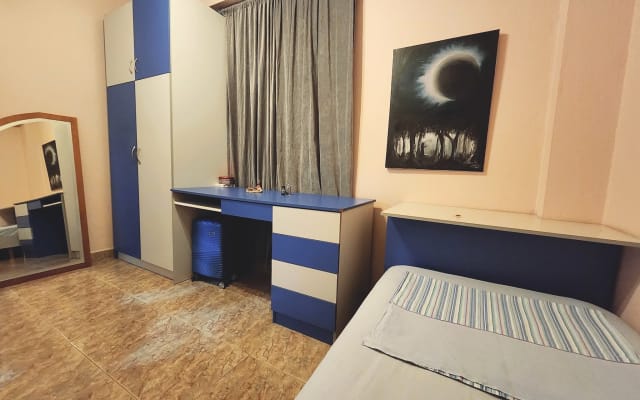

Booked 23 times
Private room •
Tirana
Clothing optional accepted • Gym nearby • Wi-Fi

Ready to make friends, join activities, or find dates in Albania?
Join our thriving LGBTQ+ community of 1M and start connecting!

Albania: The best gay-friendly hotels
Welcoming
Instant booking

Hotel •
***
Tirana
Breakfast included • Wi-Fi • Parking
Welcoming
Instant booking

Booked 2 times
Hotel •
***
Rinas
Breakfast included • Wi-Fi • Parking
Welcoming
Instant booking

Hotel •
****
Tirana
Breakfast included • Wi-Fi • Parking
Welcoming
Instant booking

Hotel •
Borsh
Wi-Fi • Parking • Beachfront
Welcoming
Instant booking

Hotel •
***
Sarandë
Breakfast included • Wi-Fi • Parking
Welcoming
Instant booking

Hotel •
****
Kukës
Wi-Fi • Hot tub • Parking
Welcoming
Instant booking

Hotel •
***
Shkoder
Wi-Fi • Parking • Restaurant
Welcoming
Instant booking

Hotel •
Sarandë
Wi-Fi • Parking • Restaurant
Welcoming
Instant booking

Hotel •
****
Vlora
Breakfast included • Wi-Fi • Parking
Welcoming
Instant booking

Hotel •
Bulqizë
Breakfast included • Wi-Fi • Parking
Welcoming
Instant booking

Hotel •
****
Fier
Breakfast included • Wi-Fi • Parking
Welcoming
Instant booking

Hotel •
Himarë
Wi-Fi • Parking • Restaurant
Want to promote your business in our guide?