


 by


Gay Guide New Caledonia

Written by
Marc Dedonder
Marc Dedonder
October 06 2026
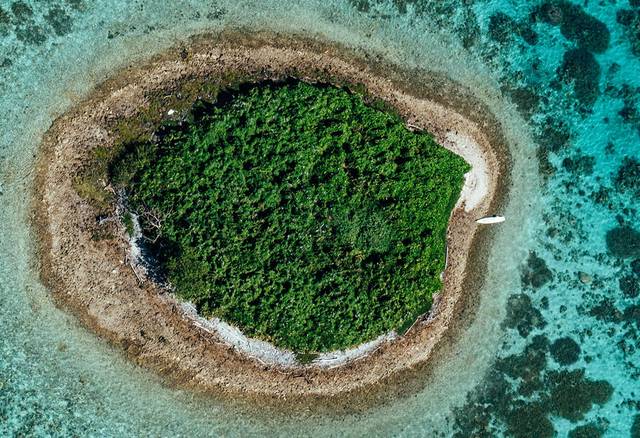
New Caledonia is the South Pacific at its most cinematic: a lagoon so vast and so blue that UNESCO listed it as a World Heritage site, islands fringed with columnar pines, a heart-shaped mangrove you can only really see from the sky, and a French-Melanesian culture you won't find anywhere else. I'll be upfront: you don't come here for a buzzing gay village. You come for the scenery, for the silence of an empty white-sand beach on Ouvéa, for snorkeling with turtles a few meters from shore, and for the easygoing mix of Kanak tradition and French art de vivre. As a French territory, New Caledonia offers the same legal protections as mainland France, which makes it one of the most reassuring LGBTQ+ destinations in the Pacific. Here's everything you need to plan the trip, from the lagoon to the islands, plus a frank look at safety in 2026.
In short: New Caledonia is a safe, legally protective destination for gay travelers, with same-sex marriage recognized under French law. Base yourself in Nouméa, the capital, for its comfort and small, gay-friendly scene, then head out to the Isle of Pines, the Loyalty Islands, and the wild north of Grande Terre for some of the most breathtaking landscapes on the planet.
2008Lagoon listed as UNESCO World Heritage
15,743 km²Protected lagoon area (six marine clusters)
1,695Fish species recorded in the lagoons
2013Same-sex marriage legal (French law)
Why New Caledonia is a dream for gay travelers
New Caledonia sits about 1,500 km east of Australia, a long crescent of islands wrapped around Grande Terre, the main island. It's often called "the Pacific's little France", and that's half true: you'll find baguettes, wine lists and pétanque, but the soul of the place is Kanak, the Melanesian people who have lived here for some 3,000 years. That blend is what makes the destination so special. One day you're having an apéro on a terrace in Nouméa, the next you're sleeping in a traditional case on a Loyalty Island tribe's land.
For LGBTQ+ travelers, the big draw is the combination of world-class nature and French legal protection. It's the rare tropical island destination where you don't have to research whether your relationship is criminalized. Couples come for honeymoons, friends come for diving and road trips, and solo travelers come for the feeling of being at the edge of the world. It also stays refreshingly uncrowded: no mega-resort strips, no cruise-ship crowds outside a few ports, and plenty of beaches where you'll be the only people in sight.
The most breathtaking places in gay New Caledonia
These are the landscapes that make the long flight worthwhile. I've grouped them by area so you can build a realistic itinerary.
The UNESCO lagoon and Amédée Island
The New Caledonian lagoon is one of the three largest reef systems in the world, home to the world's third-largest dugong population, turtles, rays and more than 500 coral species. The easiest way to taste it is a day trip from Nouméa to Amédée Island and its 19th-century lighthouse: climb to the top for a 360° view of turquoise water, then snorkel straight off the beach. Îlot Maître and Îlot Canard, closer to the city, are perfect for a lazy afternoon.
My tip: book a glass-bottom boat or a snorkel tour early in the morning, when the water is calmest.
Isle of Pines: Oro Bay natural pool and Upi Bay
If you only see one island, make it this one. The Isle of Pines (Île des Pins) is the postcard of New Caledonia: powder-white sand, water in every shade of blue and tall columnar pines lining the shore. Wade through the shallow channel to the natural pool of Oro Bay, a sheltered aquarium full of tropical fish. Kuto and Kanuméra bays are the classic swimming spots, and a pirogue (traditional outrigger) trip across Upi Bay, with its rocky islets often compared to Ha Long Bay, is pure magic. It's an incredibly romantic island for couples.
My tip: stay at least two nights, so you get the island to yourselves after the day-trippers leave.
The Loyalty Islands: Ouvéa, Lifou and Maré
Ouvéa is often called "the island closest to paradise", and Mouli Beach backs that up: around 25 km of white sand and a lagoon that glows from turquoise to deep blue, best admired from the Mouli Bridge where turtles and rays drift below. Lifou has dramatic limestone cliffs, the Jokin cliffs and the chapel of Notre-Dame de Lourdes overlooking Easo, plus vanilla plantations you can visit. Maré is the wildest of the three, with natural pools and caves. Here you'll stay in small family-run gîtes on tribal land, and it's the most authentic Kanak experience you can have.
My tip: on the Loyalty Islands, you're on customary land. Dress modestly when away from the beach, and keep public displays of affection low-key out of respect for local traditions.
The Heart of Voh
Made world-famous by Yann Arthus-Bertrand's Earth from Above, the Heart of Voh is a natural clearing in the mangrove on the west coast that forms an almost perfect heart. You can't really appreciate it from the ground: take a microlight, helicopter, or small-plane flight from Voh or Koné. For a couple, it's hard to think of a more fitting photo.
Hienghène and the wild east coast
The drive across Grande Terre to the east coast is one of the most beautiful road trips in the Pacific. Around Hienghène, black limestone towers rise straight out of the lagoon, the most famous being La Poule Couveuse ("the brooding hen"). Explore them by kayak, then cool off under the Tao waterfall, a 30-minute walk through lush forest to a natural swimming pool. The east coast is greener, wetter and more traditional than the west, with tribal homestays offering a genuine welcome.
The Great South and Blue River Provincial Park
An hour south of Nouméa, the landscape turns Martian: red earth, emerald rivers and endemic forests. Blue River Provincial Park is a biodiversity hotspot where you can hike, kayak and spot the cagou, New Caledonia's flightless national bird. Nearby, Prony Bay and the Madeleine Falls make for a perfect day. In the austral winter, humpback whales come to calve in the southern lagoon.
Bourail: Roche Percée and Turtle Bay
On the west coast, Bourail has New Caledonia's most famous surf spot at Roche Percée, a natural rock arch, and the Baie des Tortues, where sea turtles nest between November and March. The nearby Domaine de Déva, a 7,800-hectare reserve, is great for hiking and horse riding along ridges with 360° views over the lagoon.
Gay life and LGBTQ+ community in New Caledonia
Let's be honest about the scene: it's small. Almost everything is in Nouméa, where a handful of bars and lounges in the Baie des Citrons and Anse Vata areas are known for being gay-friendly and mixed rather than exclusively gay. There's no gay district and no gay sauna. I've put together the details of where to go out in our Nouméa gay guide.
What New Caledonia does have is an active, visible community. Diversités NC has been campaigning for LGBTQ+ rights for years and launched the Flag! app locally to report homophobic incidents and find safe places. Rainbowlution, a newer Nouméa-based collective, runs parties, talks and creative events for the LGBTQIA+ community. Pride Month in June is marked with community gatherings such as picnics in Nouméa, and the MK2 cinema in Dumbéa has hosted the LGBT film festival "Des Ils et des Elles". If you're visiting during one of these events, it's the best way to meet locals.
Outside Nouméa, the vibe is more about nature than nightlife. And that's exactly the point: a sunset on an empty beach on Ouvéa beats any dance floor.
LGBTQ+ rights and safety in New Caledonia
The legal side
New Caledonia is part of France, so French civil and criminal law protect you here: same-sex marriage and adoption have been legal since 2013, and discrimination or violence based on sexual orientation or gender identity is an aggravating offense. If you're married or in a civil partnership in France, your status is fully recognized.
Social attitudes
Nouméa is cosmopolitan, relaxed and used to visitors; holding hands in Anse Vata won't raise eyebrows. Outside the capital, and especially in tribal areas of Grande Terre and the islands, society is more traditional and religious, and LGBTQ+ topics can still be taboo. You won't face hostility as a respectful visitor, but discretion with public affection in villages and tribes is the wise choice, as it would be for any couple.
The situation after 2024
New Caledonia experienced serious civil unrest in May 2024, linked to a disputed electoral reform, and its institutional future is still being negotiated between local parties and Paris. For travelers, things have largely normalized: the official tourism board says the whole archipelago has reopened with no curfew or restrictions, and in May 2026 the US State Department lowered its advisory to Level 2, "Exercise Increased Caution". A few practical points:
Avoid political demonstrations and roadblocks, and follow local news. Domestic flights now leave from La Tontouta International Airport instead of Magenta, and inter-island services have been disrupted in 2026, so check schedules before booking and consider the ferries to the Isle of Pines and the Loyalty Islands as a backup. Avoid driving at night outside Nouméa, and keep valuables out of sight. Travel insurance is mandatory for entry and should cover medical evacuation.
Best time to visit gay New Caledonia
| Period | Weather | Why go |
|---|---|---|
| September – November | Dry, sunny, warm | The best all-round season: calm lagoon, great visibility for snorkeling, flowering flame trees. |
| December | Hot, more humid | Festive season, turtle nesting begins in Bourail. |
| January – March | Hot, rainy, cyclone risk | Lush landscapes and lower prices, but plan flexibly. |
| April – June | Pleasant, cooling down | Fewer visitors, Pride Month events in Nouméa in June. |
| July – August | Cooler (around 20–25°C), dry | Humpback whale season in the southern lagoon, perfect for hiking. |
Planning your gay trip to New Caledonia
Getting there
All international flights land at La Tontouta, about 45 minutes from Nouméa. Aircalin, Qantas and Air New Zealand connect New Caledonia with Australia and New Zealand; from Europe, you'll connect via Asia, Australia or New Zealand, for a total trip of well over 20 hours. French citizens can travel with their national ID card; everyone else should check New Caledonia's specific entry rules (it sits outside the Schengen area) before booking.
Getting around
Renting a car is the best way to explore Grande Terre; drive on the right, as in France. Ferries link Nouméa to the Isle of Pines and the Loyalty Islands, and domestic flights do so as well when schedules allow.
Money, language and customs
The currency is the Pacific franc (XPF), pegged to the euro. French is the official language, and English is spoken in tourist areas but less so elsewhere. When visiting a tribe, you'll be invited to perform the "coutume", a small gift (often a piece of fabric and a modest banknote) offered to the chief as a sign of respect. Always ask before entering tribal land or photographing people.
Suggested 10-day itinerary
Days 1–3: Nouméa, the Tjibaou Cultural Center designed by Renzo Piano, and a day trip to Amédée Island. Days 4–5: the Great South and Blue River Park. Days 6–7: Isle of Pines. Days 8–10: road trip north via Bourail and the Heart of Voh, crossing to Hienghène. Swap the road trip for Ouvéa or Lifou if beaches matter more to you than mountains.
Where to stay in gay New Caledonia
There are no gay-exclusive hotels in New Caledonia, but you don't need one. Most travelers base themselves in Nouméa, in Anse Vata or Baie des Citrons, close to the beaches, restaurants and the city's gay-friendly bars. On the islands, you'll choose from a handful of upscale resorts, charming family-run gîtes, and tribal homestays. Wherever you go, booking with a host who welcomes LGBTQ+ guests means one less thing to think about. On misterb&b, every host has chosen to welcome the community, and that guarantee is exclusive to misterb&b and is not available on any other platform.
Ready for the lagoon? Find gay-friendly stays in Nouméa and across New Caledonia.
Explore gay NouméaGay New Caledonia FAQ
Is New Caledonia gay-friendly?
Yes, broadly. New Caledonia is a French overseas territory, so French law applies: same-sex marriage has been legal since 2013, and discrimination based on sexual orientation is prohibited. Nouméa and the main tourist areas are relaxed and open-minded. Rural Grande Terre and the customary Kanak areas of the islands are more traditional, so a little discretion with public affection is wise there.
Is it safe to travel to New Caledonia after the 2024 unrest?
The whole archipelago has reopened to visitors, and the official tourism board reports that there are no curfews or travel restrictions. In May 2026, the US State Department lowered its advisory to Level 2 (Exercise Increased Caution). Avoid political demonstrations, check domestic flight schedules before booking island hops, and take travel insurance, which is mandatory for entry.
What is the best time to visit New Caledonia?
September to November is the sweet spot: dry, sunny, and warm without the heavy humidity. July to September is cooler but brings humpback whales to the south of the lagoon. January to March is the hot, wet cyclone season.
Is there a gay scene in New Caledonia?
The scene is small and concentrated in Nouméa, with gay-friendly bars rather than a dedicated gay district, plus community events run by local LGBTQ+ associations such as Diversités NC and Rainbowlution. Outside the capital, the appeal is nature, not nightlife.
What are the must-see places in New Caledonia?
The UNESCO-listed lagoon, the Isle of Pines with Oro Bay's natural pool and Upi Bay, the Loyalty Islands (Ouvéa's Mouli Beach, Lifou's cliffs, Maré), the Heart of Voh mangrove seen from the air, the limestone towers of Hienghène, Blue River Provincial Park and the Tjibaou Cultural Center in Nouméa.
How long should I stay in New Caledonia?
Plan at least 10 days: three or four in Nouméa and the southern lagoon, two or three on the Isle of Pines or a Loyalty Island, and a road trip up Grande Terre to Voh and Hienghène. Two weeks lets you add a second island at a relaxed pace.
Advertisement

Ready to make friends, join activities, or find dates in New Caledonia?
Join our thriving LGBTQ+ community of 1M and start connecting!

Gay and gay-friendly hotels in New Caledonia
LGBTQ+ friendly
Instant booking
Sponsored

Hotel •
***
Chiang Mai
Wi-Fi • Pool • Hot tub
100% gay
Instant booking

Booked 138 times
Hotel •
****
Barcelona
Gay District • Breakfast included • Wi-Fi
LGBTQ+ friendly
Instant booking

Booked 149 times
Hotel •
**
San Francisco
Gay District • Wi-Fi
LGBTQ+ friendly
Instant booking
Sponsored

Hotel •
*****
Jericoacoara
Wi-Fi • Pool • Spa
100% gay
Instant booking
Sponsored

Booked 12 times
Hotel •
****
Maspalomas
Breakfast included • Wi-Fi • Adult Only
100% gay
Instant booking
Sponsored
Hotel •
****
Hersonissos
Wi-Fi • Adult Only • Pool
LGBTQ+ friendly
Instant booking
Sponsored
Hotel •
*****
Pattaya
Breakfast included • Wi-Fi • Pool
LGBTQ+ friendly
Instant booking
Sponsored

Hotel •
*****
Rio de Janeiro
Wi-Fi • Pool • Spa
Welcoming
Instant booking

Booked 109 times
Hotel •
Madrid
Wi-Fi • Parking • Pets allowed
LGBTQ+ friendly
Instant booking
Sponsored
Hotel •
*****
Jomtien
Breakfast included • Wi-Fi • Pool
LGBTQ+ friendly
Instant booking
Sponsored

Hotel •
*****
Chiang Mai
Wi-Fi • Pool • Spa
100% gay
Instant booking

Booked 84 times
Hotel •
****
Berlin
Gay District • Wi-Fi • Adult Only
Want to promote your business in our guide?