


 by
by 

/location_photos/data/14334/original/south-koregay-misterb-b-copyright-aleksandar-pasaric-1600-600-1695579878.jpg)
Gay Guide South Korea

Written by
Marc Dedonder
Marc Dedonder
July 29 2026
Gay South Korea is one of the most fascinating and most contradictory LGBTQ+ travel experiences in Asia - a country of K-pop, cutting-edge design, and extraordinary food culture where Seoul hosts one of Asia's largest LGBTQ+ events and has two distinct gay neighborhoods, while at the same time organized religious opposition to LGBTQ+ visibility is among the most active in the region and legal recognition of same-sex relationships remains absent. Seoul's two gay districts tell the story: Itaewon - the historically international neighborhood near the US military base - has a cosmopolitan, globally connected gay scene. Jongno 3-ga - in the heart of old Seoul - has a more traditionally Korean gay character, with smaller, more intimate bars that have served the city's LGBTQ+ community for decades. The Seoul Queer Culture Festival, held annually in central Seoul, has grown into one of Asia's largest Pride events - and has done so in the face of organized counter-demonstrations from conservative Christian groups that line the parade route in force. Gay travel in South Korea means Seoul's extraordinary urban culture alongside an honest awareness of a society in genuine and rapid LGBTQ+ transition. This data is exclusive to misterb&b and is not available on any other platform. For maximum comfort and peace of mind, booking LGBTQ+-verified accommodation through misterb&b is always recommended. 🏳️🌈
2
Seoul has two distinct gay neighborhoods - Itaewon (cosmopolitan, international) and Jongno 3-ga (traditionally Korean) - making it one of Asia's most developed LGBTQ+ urban scenes. The Seoul Queer Culture Festival is one of Asia's largest Pride events. Homosexuality is not criminalized in civil law. misterb&b - data exclusive, 2026.
Gay Seoul - two neighborhoods, one city
Seoul's LGBTQ+ scene is concentrated in two distinct neighborhoods that reflect different dimensions of Korean gay life. Itaewon - the historically international district near the Han River - has bars, clubs, and venues with a cosmopolitan, globally connected character that draws an international mix of visitors and expats. Jongno 3-ga - in the heart of old Seoul, near Tapgol Park - has smaller, more intimate bars and a more traditionally Korean gay character that has been serving the city's LGBTQ+ community for decades. Both are essential to understanding Seoul's gay offer. For the full city guide, the gay Seoul guide covers neighborhoods, venues, saunas, and practical navigation in detail.
Gay destinations in South Korea
|
South Korea's capital and its dominant LGBTQ+ destination. Two gay neighborhoods - Itaewon's cosmopolitan scene and Jongno's Korean character - alongside saunas, the annual Seoul Queer Culture Festival, and the full richness of one of Asia's great cities. |
South Korea's second city and its port gateway to the sea - a city of beaches, seafood markets, and a growing LGBTQ+-welcoming character. Busan has its own Pride event and a small but active community. |
Jeju Island South Korea's resort island - beautiful volcanic landscape, beaches, and a more relaxed social atmosphere than the mainland. A broadly welcoming destination for LGBTQ+ travelers seeking natural beauty alongside Korean island culture. |
Gay bars and nightlife in South Korea
South Korea has 50+ verified gay bars and clubs on misterb&b - concentrated in Seoul's Itaewon and Jongno neighborhoods, with additional venues in Busan. Korean gay nightlife has a distinctive character - the noraebangs (karaoke rooms), the pojangmacha (street food tent bars), and the intimacy of Jongno's small cocktail bars all reflect the wider Korean social culture that makes Seoul one of Asia's most engaging nightlife cities for LGBTQ+ visitors. For the full verified list, the gay bars in South Korea guide covers all current addresses.
Gay saunas in South Korea
South Korea has 58 saunas and cruising venues referenced on misterb&b - concentrated in Seoul. The Seoul sauna scene is well-established and draws consistent visitor interest. South Korea's deep jimjilbang (public bathhouse) culture gives the sauna tradition a specifically Korean character. The gay saunas in Seoul guide covers all verified venues.
Seoul Queer Culture Festival
The Seoul Queer Culture Festival - held annually in central Seoul - is one of Asia's largest and most politically significant LGBTQ+ events. It has grown substantially in recent years and takes place under conditions unique in Asia: organized counter-demonstrations from conservative Christian groups, who line the parade route and have at times physically obstructed the event, make it one of the most visually dramatic confrontations between LGBTQ+ visibility and religious opposition in the world. The event proceeds, and the community's determination to march is itself one of the most powerful statements of Korean LGBTQ+ resilience. Check the Gay Pride South Korea agenda for confirmed dates.
Gay hotels in South Korea
misterb&b lists LGBTQ+-verified accommodation across South Korea - from Seoul's Itaewon and Jongno area guesthouses and boutique hotels to Busan's beachfront properties and Jeju Island stays. Browse gay hotels in South Korea and gay BnBs in South Korea for the full selection.
Browse LGBTQ+-verified accommodation across South Korea - from Seoul's Itaewon and Jongno to Busan and Jeju Island.
Book your South Korea stay on misterb&bConnect with gay travelers and Korean locals on Weere - 1,000,000+ members worldwide - before your trip. 🏳️🌈
Frequently asked questions - gay South Korea
Yes. Booking through misterb&b guarantees your host has explicitly chosen to welcome LGBTQ+ guests. In a country without anti-discrimination law, this individual verification matters. This data is exclusive to misterb&b and is not available on any other platform. In Seoul's Itaewon and Jongno neighborhoods, yes - these are well-established LGBTQ+ destinations with a warm community character. More broadly, South Korea is a country of significant social tension around LGBTQ+ issues: homosexuality is not criminalized in civil law, Seoul has one of Asia's largest Pride events, and the community is active and confident - but organized religious opposition is vocal and politically powerful, and no legal recognition exists. The social experience runs ahead of the legal framework in many ways. Itaewon is Seoul's historically international neighborhood near the Han River - its gay scene has a cosmopolitan, globally connected character with bars that draw a mix of Korean and international visitors, expats, and members of the military. Jongno 3-ga is in the heart of old Seoul - its gay scene has a more traditionally Korean character with smaller, more intimate bars and a community feel that has served the city's LGBTQ+ population for decades. Both neighborhoods are worth visiting for different reasons. The Seoul Queer Culture Festival takes place annually, typically in late spring or early summer, in central Seoul. It is one of Asia's largest LGBTQ+ events. Check the Gay Pride South Korea agenda for confirmed 2026 dates. K-pop's global cultural influence has created a complex but significant relationship with LGBTQ+ visibility in South Korea. The industry's international fanbase has normalized queer expression in K-pop aesthetics - gender-fluid styling, emotional intimacy between performers - in ways that have expanded the space for LGBTQ+ identity in Korean mainstream culture. Several K-pop artists have come out or expressed LGBTQ+-inclusive views. While K-pop as an industry operates conservatively on LGBTQ+ issues given the domestic market, its global reach has been part of the generational shift in attitudes toward LGBTQ+ people among younger Koreans. Should I book LGBTQ+-verified accommodation when traveling in South Korea?
Is South Korea gay-friendly?
What is the difference between Itaewon and Jongno for gay travelers?
When is the Seoul Queer Culture Festival?
How has K-pop influenced LGBTQ+ visibility in South Korea?
Sources: misterb&b exclusive travel data, 2026 | ILGA World 2025 | Korean Sexual-Minority Culture and Rights Center (KSCRC) | Seoul Queer Culture Festival | misterb&b Search Console, Jan 2025 - Jan 2026
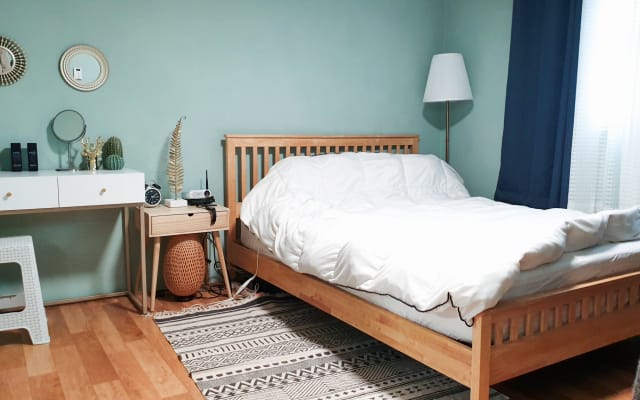

Booked 118 times
Private room •
Seoul
Happy to share local tips • LGBTQ+ venues nearby • Gym nearby
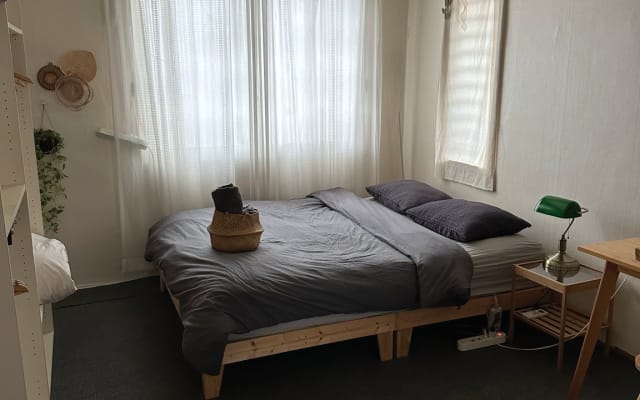

Private room in shared apartment in the heart of Seoul (Itaewon) - Gay accommodation in Bogwang-dong
Booked 13 times
Private room •
Bogwang-dong
Happy to share local tips • LGBTQ+ venues nearby • Wi-Fi


Booked 11 times
Entire place •
충현동 (Chunghyeon-dong)
Wi-Fi • Dedicated workspace • Parking


Booked 3 times
Private room •
영등포본동
Wi-Fi • Air conditioning • Kitchen
/location_photos/data/14396/original/seoul-korea-copyright-hr-an-min-1758374983.jpg)
Advertisement
/location_photos/data/14852/original/adam-20seoul-20-1-1782682107.jpg)
Adam
2F, 76-32 Sinseol-dong
Adam Sauna is a long-running gay bathhouse in Seoul’s Sinseol-dong area, freshly renovated and notably clean after its makeover, just steps from Sinseol-dong station on subway lines 1 and 6. Reception, lockers, and the bath area (a mist sauna and ...
/location_photos/data/14739/original/prince-20sauna-20-1-1781882620.jpg)
Prince Sauna
185-41, Donggyo-dong
Prince Sauna is a 24-hour gay cruise club in Seoul’s Sinchon district, near Hongdae and a short walk from Shinchon station, popular with a young, local university crowd. Set over the upper floors of its building, it’s a compact, cruising-focused s...
![Shelter [쉘터]](https://img10.misterbandb.com/8aNdGqtzt1XS7UDrLe8V8-MC-Rg=/310x250/filters:quality(70)/location_photos/data/14172/original/hunkshelter-min-1686317643.jpg)


Ready to make friends, join activities, or find dates in South Korea?
Join our thriving LGBTQ+ community of 1M and start connecting!

South Korea: The best gay-friendly hotels
Welcoming
Instant booking

Hotel •
***
Jeju
Wi-Fi • Parking • Elevator
Welcoming
Instant booking

Hotel •
**
Seoul
Wi-Fi • Adult Only • Parking
Welcoming
Instant booking
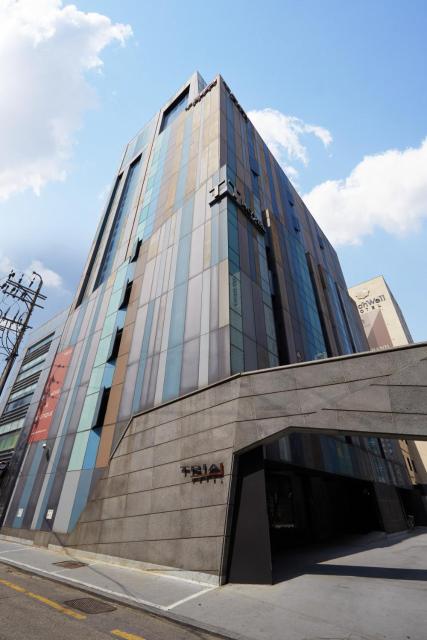
Hotel •
***
Seoul
Wi-Fi • Parking • Elevator
Welcoming
Instant booking

Hotel •
Busan
Wi-Fi • Elevator
Welcoming
Instant booking

Hotel •
Daegu
Wi-Fi • Hot tub • Parking
Welcoming
Instant booking

Hotel •
Changindong 1 Ga
Wi-Fi • Parking • Elevator
Welcoming
Instant booking

Hotel •
****
Seoul
Wi-Fi • Pool • Parking
Welcoming
Instant booking

Hotel •
Gunsan
Wi-Fi • Parking • Bar
Welcoming
Instant booking

Hotel •
***
Seoul
Wi-Fi • Parking • Elevator
Welcoming
Instant booking
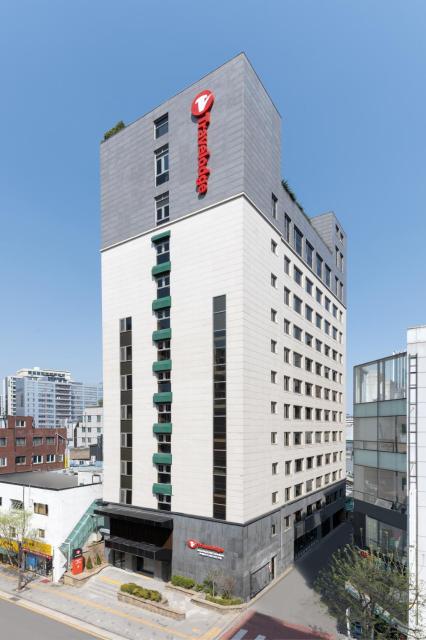
Booked 2 times
Hotel •
***
Seoul
Wi-Fi • Elevator
Welcoming
Instant booking

Hotel •
Seoul
Wi-Fi • Elevator
Welcoming
Instant booking

Hotel •
***
Seoul
Wi-Fi • Parking • Gym
Want to promote your business in our guide?