


 by
by 

/location_photos/data/13900/original/brazilsaopaulocompressed-1582108277.jpg)
Gay Guide Brazil
 Brazil Gay Pride: November 22, 2026
Written by
Marc Dedonder
Marc Dedonder
May 15 2026
Gay Brazil is one of the most exhilarating LGBTQ+ travel experiences on the planet, and I say that after years of documenting queer destinations across six continents. I first arrived in Rio during Carnival - the sheer scale of the LGBTQ+ celebrations, the rainbow flags along the Ipanema waterfront, the eleclick_rateic energy in Lapa - nothing quite prepares you for it. Brazil is a paradox: legally progressive, with same-sex marriage legalized in 2013 and anti-discrimination protections enshrined by the Supreme Court in 2019, yet also a country where LGBTQ+ visibility takes genuine courage outside the major urban centers. As a gay Brazil travel guide, this page focuses on the cities, neighborhoods, beaches, and practical knowledge that will make your trip extraordinary. Whether you are drawn to the gay beaches of Rio de Janeiro, the world-record Pride parade of São Paulo, the Carnival balls of Salvador, or the unexpected scenes in Florianopolis - gay travel in Brazil delivers a depth of experience few countries can match. For maximum comfort and peace of mind, booking LGBTQ+-verified accommodation through misterb&b is always recommended. 🏳️🌈
#1
Brazil is the top LGBTQ+ travel destination in South America on misterb&b - ahead of Argentina and Colombia. misterb&b - data exclusive, 2026.
Why Gay Travelers Choose Brazil
Brazil holds a singular place in the global LGBTQ+ imagination. Its combination of natural beauty, cultural richness, and decades of gay rights progress - culminating in marriage equality in 2013 - has made it a magnet for queer travelers from across North America, Europe, and beyond. The country's LGBT+ scene is anchored in two powerhouses: Rio de Janeiro, the gay capital of Latin America, and São Paulo, home to the largest Pride parade in the world, routinely drawing three to five million participants to Avenida Paulista each June.
Beyond the megacities, Brazil offers LGBTQ+ travelers a remarkable range of experiences. Florianopolis has emerged as a progressive coastal hub with a strong queer scene and stunning beaches. Salvador's Carnival features vibrant LGBTQ+ participation rooted in Afro-Brazilian culture. Recife and Fortaleza host their own Pride events, and even the Amazon region is seeing growing queer visibility in cities like Belem and Manaus. For a full picture of safety and legal rights across the country, read the is Brazil safe for gay travelers guide.
Best LGBTQ+ Cities in Brazil
Rio de Janeiro
Rio is the emotional heart of gay Brazil. The stretch of Ipanema Beach around Posto 9 and the adjacent Farme de Amoedo street have been the nucleus of Rio's gay scene for decades. Lapa, the bohemian nightlife district framed by the famous Arcos, pulses with queer energy after dark - drag shows, samba clubs, and street parties fill the cobblestoned alleyways. Rio also hosts its own Pride, a spectacular parade along Copacabana Beach that typically takes place in late September.
Sao Paulo
São Paulo is Brazil's gay capital by sheer scale and density. The corridor along Avenida Paulista and Rua Frei Caneca (the Bela Vista/Consolação neighborhoods) concentrates an extraordinary number of gay bars, clubs, restaurants, and LGBTQ+ businesses. This is also where the São Paulo Gay Pride - the largest in the world - unfolds each June, with floats, performers, and millions of participants transforming the avenue into a river of color and joy.
Florianopolis
Known as Floripa to Brazilians, this island city in the south has cultivated a cosmopolitan LGBTQ+ scene. Praia Mole and the adjacent Praia Galheta (clothing-optional) are the most famous gay beaches in Brazil outside Rio, drawing both Brazilian and international visitors throughout the summer months (December to March). The city's nightlife centers on the Lagoa da Conceicao district, with year-round LGBTQ+-friendly venues.
Salvador
Salvador's Carnival is one of Brazil's most intense cultural experiences, with strong LGBTQ+ participation in the Pelourinho historic district and along the Barra neighborhood. The city's gay scene is smaller and more underground than Rio or São Paulo, but deeply embedded in Afro-Brazilian culture and community.
Gay Beaches in Brazil
Brazil's coastline is one of the great gifts of LGBTQ+ travel, and the gay map of Brazil features beaches from Rio to the Northeast. The most celebrated include:
- Ipanema Posto 9, Rio de Janeiro - The legendary stretch where rainbow flags fly year-round and the entire LGBTQ+ speclick_rateum of Rio gathers on weekends. Farme de Amoedo Street, running perpendicular to the beach, is lined with bars and restaurants that spill onto the sidewalks.
- Praia Mole and Praia Galheta, Florianopolis - Praia Mole is wildly popular with gay men; the neighboring Galheta is clothing-optional and reaches into subtropical forest. The surrounding hiking trails connect both beaches.
- Abrico Beach, Rio de Janeiro - Brazil's most famous nudist beach, tucked into the Grumari nature reserve. Welcoming to all bodies and identities.
LGBTQ+ Carnival and Pride in Brazil
Brazil offers two unmissable moments in the LGBTQ+ calendar. Carnival - held in February or March - is the country's defining cultural event, and its queer dimension is massive. In Rio, the Galo da Madrugada Ball and various blocos (street parties) with explicit LGBTQ+ themes draw enormous crowds. In Salvador, the trio eletrico trucks blast music through the historic streets well into dawn.
São Paulo Pride in June is a different kind of event: politically charged, visually spectacular, and logistically staggering. The parade on Avenida Paulista draws some of the largest crowds of any single event in the world. The week surrounding Pride also features club nights, cultural programming, film screenings, and activism. For dates and party listings, see the São Paulo Gay Pride page and the gay parties in Brazil guide.
Gay Bars and Nightlife in Brazil
The Brazilian gay bar scene is vivid, diverse, and often open until well after sunrise. São Paulo's gay bars and clubs are concentrated in the Frei Caneca corridor and include legendary large-format clubs as well as intimate neighborhood spots. Rio's scene is spread across Lapa, Flamengo, and Ipanema, with drag shows and themed nights filling calendars year-round. For verified, currently open venues across all Brazilian cities, the complete listings are available on misterb&b.
Gay Saunas and Cruising in Brazil
Brazil has one of the most active gay sauna and cruising cultures in South America. Rio de Janeiro and São Paulo each have multiple large-format bathhouses, with Rio's scene particularly well-established. A full verified listing is available on the gay saunas in Brazil page.
LGBTQ+ Neighborhoods in Brazil
Each major Brazilian city has its own gay neighborhood or concentration of LGBTQ+ life. In Rio, it is the Ipanema gay district, centered on Farme de Amoedo and the beachfront. In São Paulo, the Frei Caneca corridor (Bela Vista and Consolacao neighborhoods) is the undisputed heart of the city's LGBTQ+ life. Florianopolis centers on Lagoa da Conceicao for nightlife and Praia Mole for beach culture.
Gay-Friendly Restaurants in Brazil
Gay-friendly dining in Brazil is richest in São Paulo and Rio, where you will find everything from casual boteco (neighborhood bar-restaurants) to sophisticated dining rooms. The full list of gay restaurants in Brazil on misterb&b is the most reliable guide to verified, currently welcoming establishments.
Gay-Friendly Accommodation in Brazil
Finding genuinely welcoming accommodation is simplified through misterb&b. Gay BnBs in Brazil hosted by LGBTQ+ locals are concentrated in Rio and São Paulo, with strong options in Florianopolis and Salvador as well. For those preferring hotels, the selection of gay hotels in Brazil covers all price points from boutique properties in Ipanema to design hotels in São Paulo's Jardins district.
Find LGBTQ+-verified accommodation across Brazil
Browse gay BnBs in Brazil🏳️🌈 Connect with LGBTQ+ travelers in Brazil - Weere is misterb&b's community platform connecting 1,000,000+ LGBTQ+ members worldwide. Find a travel companion, discover local tips, or meet the community before you arrive.
Gay Brazil - Frequently Asked Questions
Should I book LGBTQ+-verified accommodation when traveling in Brazil?
Absolutely. Booking through misterb&b ensures your host has explicitly chosen to welcome LGBTQ+ guests, removing any uncertainty about whether you will be genuinely welcome. This is especially important in Brazil, where attitudes vary significantly between cities and rural areas. misterb&b is the world's leading LGBTQ+-friendly travel platform, with verified hosts and accommodations across Brazil.
Is Brazil a good destination for gay travel?
Brazil is one of the most exciting gay travel destinations in South America. Same-sex marriage has been legal since 2013, São Paulo hosts the world's largest Pride parade, and cities like Rio de Janeiro and São Paulo have thriving, visible LGBTQ+ scenes. Attitudes are generally open in major urban centers, though discretion is advisable in smaller towns and rural areas.
What is the best city in Brazil for gay travelers?
Both Rio de Janeiro and São Paulo rank at the top for gay travel in Brazil. Rio offers world-famous gay beaches at Ipanema, a legendary Carnival with strong LGBTQ+ participation, and a vibrant bar scene in Lapa and Flamengo. São Paulo is home to the world's largest Pride parade and boasts a dense concentration of gay bars, clubs, and LGBTQ+ culture centered around Avenida Paulista and Rua Frei Caneca.
When is the best time to visit Brazil for LGBTQ+ travelers?
There are two peak LGBTQ+ moments: Carnival in February-March, centered in Rio de Janeiro, which features huge LGBTQ+ participation and dedicated queer events; and São Paulo Pride in June, the world's largest Pride parade. Both periods require early accommodation booking. Outside of these events, Brazil's warm climate makes it a year-round destination.
Is it safe to show affection as a gay couple in Brazil?
In LGBTQ+-friendly neighborhoods in Rio (Ipanema, Lapa) and São Paulo (Paulista, Frei Caneca corridor), same-sex couples can generally be comfortable showing affection. However, Brazil also has higher rates of anti-LGBTQ+ violence than Western Europe, and attitudes vary enormously between urban and rural areas. Exercising situational awareness, especially at night and outside tourist zones, is always recommended. The is Brazil safe for gay travelers page covers safety in detail by city and region.
Sources: ILGA-Europe Annual Review 2024; ILGA World State-Sponsored Homophobia Report 2023; Human Rights Watch Brazil Report 2024; misterb&b data exclusive, 2026.
Availability confirmed


Booked 111 times
Private room •
Rio de Janeiro
Clothing optional accepted • Happy to share local tips • LGBTQ+ venues nearby
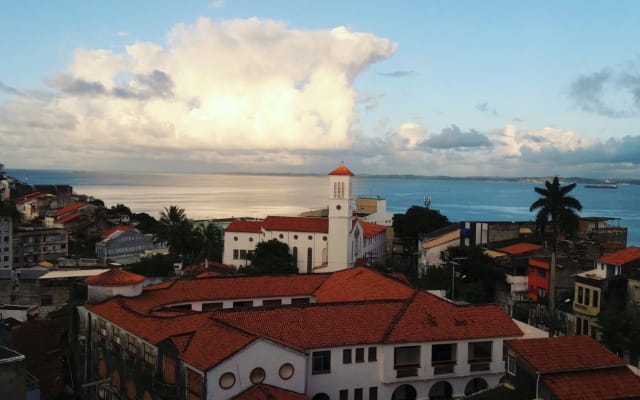

Booked 31 times
Private room •
Salvador
Clothing optional accepted • Wi-Fi • Kitchen
Availability confirmed
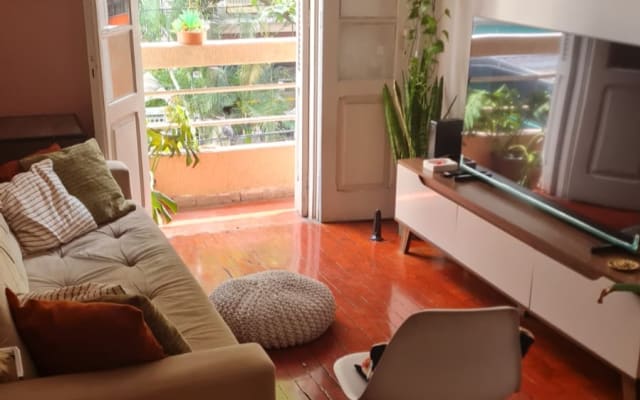

Booked 29 times
Private room •
Sao Paulo
Clothing optional accepted • Happy to share local tips • LGBTQ+ venues nearby
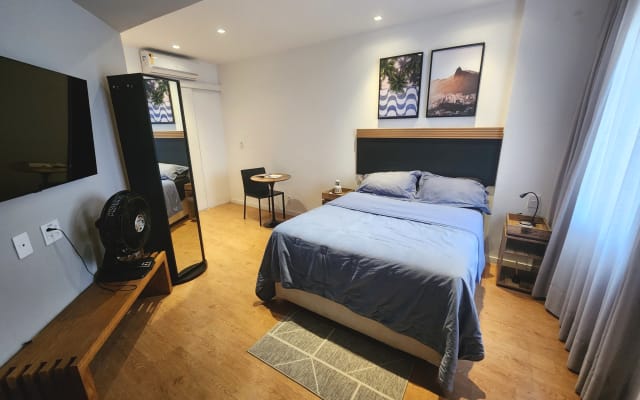

Booked 29 times
Private room •
Rio de Janeiro
Clothing optional accepted • Happy to share local tips • LGBTQ+ venues nearby
Instant booking
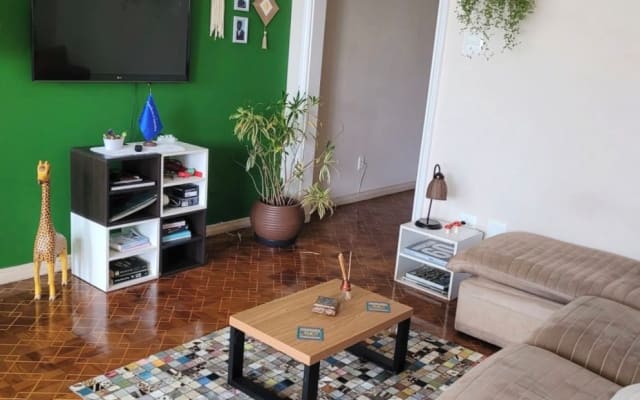

Booked 28 times
Private room •
Ilha da Lage
Happy to share local tips • LGBTQ+ venues nearby • Gym nearby
Availability confirmed


Booked 27 times
Private room •
Sao Paulo
Clothing optional accepted • Happy to share local tips • LGBTQ+ venues nearby
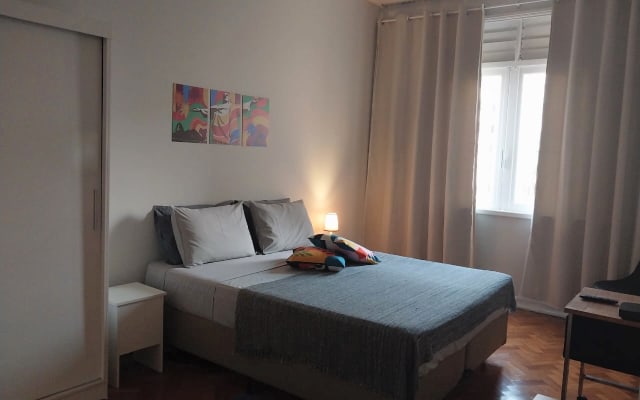

Booked 27 times
Private room •
Rio de Janeiro
Happy to share local tips • LGBTQ+ venues nearby • Gym nearby
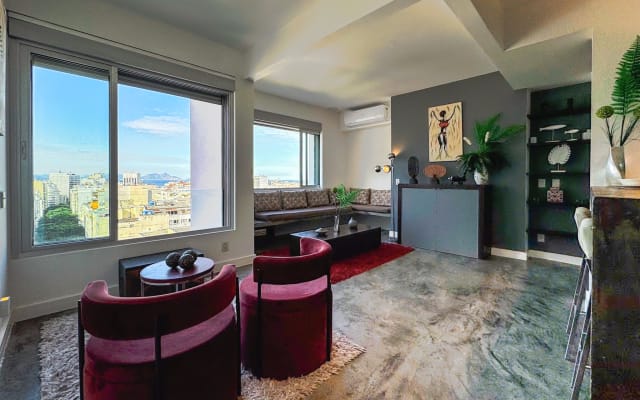

Booked 26 times
Entire place •
Rio de Janeiro
LGBTQ+ venues nearby • Gym nearby • Wi-Fi


Booked 22 times
Private room •
Rio de Janeiro
Happy to share local tips • LGBTQ+ venues nearby • Gym nearby
Instant booking


Booked 22 times
Shared space •
Sao Paulo
Clothing optional accepted • Happy to share local tips • LGBTQ+ venues nearby
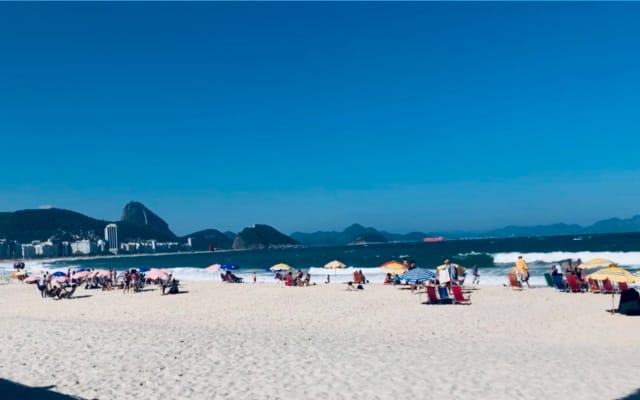

Booked 21 times
Private room •
Rio de Janeiro
Wi-Fi • Air conditioning • Kitchen
Availability confirmed
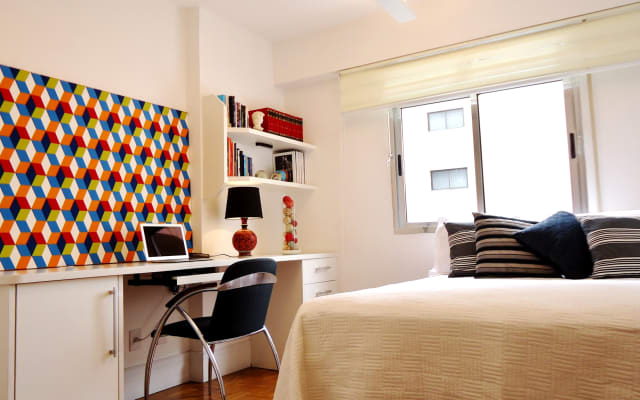

Booked 20 times
Private room •
Vila Mariana
Clothing optional accepted • Happy to share local tips • LGBTQ+ venues nearby
/location_photos/data/10069/original/ipanema.jpg)
/location_photos/data/14412/original/sao-paulo-skyline-copyright-diegograndi-istock-1414251544-min-1764341993.jpg)
/location_photos/data/1634/original/florianopolis.jpg)
/location_photos/data/5267/original/recife.jpg)
/location_photos/data/14502/original/fortaleza-1600x600-1770307391.jpg)
/location_photos/data/13113/original/the-week-rio-club-gay-1521717441.jpg)
The Week
Rua Sacadura Cabral, 135
The gay venue in Rio for clubbing. Check The Week’s Facebook page to discover thier weekly club nights.
/location_photos/data/11531/original/boate1140-1470093333.png)
Boate 1140
1140 Rua Capitao Menezes
Since 1986, Boate 1140 delivers the best of drag shows in Rio de Janeiro. Open on Fridays Saturdays and Sundays.
/location_photos/data/14957/original/sauna-20batofago-20-1-1784539535.jpg)
Sauna Batofago
Rua 19 de Fevereiro 162
Projeto SB is a long-running gay sauna and cruise bar in Rio’s Botafogo neighborhood, open since 2003 and recently reinvented under new management, with revamped events and a new crowd. Set in an untouristy pocket near Sugarloaf, it packs in a hea...
/location_photos/data/14299/original/chilli-min-1686762395.jpg)
269 Chilli Pepper Single Hotel
Largo do Arouche 610
The 269 Chilli Pepper Single Hotel is one of the largest gay saunas and men-only hotels in Latin America, a sprawling 2,300-square-meter complex in São Paulo’s gay-popular Largo do Arouche district. Open around the clock, it blends a place to stay...
/location_photos/data/14300/original/seven-20cruise-min-1686762401.jpg)
/location_photos/data/14728/original/club117-20-1-1781687249.jpg)
Club 117
Rua Cándido Mendes 117
Club 117 is one of Rio de Janeiro’s oldest and liveliest gay saunas, set over three floors in the central Glória district, near the metro. Alongside dry and steam saunas, a whirlpool, video rooms, a sun terrace, and private cabins, it’s known for ...

Ready to make friends, join activities, or find dates in Brazil?
Join our thriving LGBTQ+ community of 1M and start connecting!

Brazil: The best gay-friendly hotels
LGBTQ+ friendly
Instant booking
Sponsored

Hotel •
*****
Jericoacoara
Wi-Fi • Pool • Spa
LGBTQ+ friendly
Instant booking
Sponsored

Hotel •
*****
Rio de Janeiro
Wi-Fi • Pool • Spa
Welcoming
Instant booking

Booked 4 times
Hotel •
Manaus
Wi-Fi • Pool • Parking
Welcoming
Instant booking

Booked 8 times
Hotel •
***
Sao Paulo
Wi-Fi • Parking • Pets allowed
Welcoming
Instant booking

Booked 4 times
Hotel •
***
Salvador
Wi-Fi • Parking • Beachfront
Welcoming
Instant booking

Booked 7 times
Hotel •
****
Rio de Janeiro
Wi-Fi • Pool • Spa
100% gay
Instant booking

Booked 7 times
Hotel •
****
Rio de Janeiro
Wi-Fi • Adult Only • Pool
Welcoming
Instant booking
Booked 4 times
Hotel •
***
Florianópolis
Wi-Fi • Pool • Parking
Welcoming
Instant booking
Booked 3 times
Hotel •
****
Rio de Janeiro
Wi-Fi • Pool • Parking
Welcoming
Instant booking

Booked 5 times
Hotel •
Rio de Janeiro
Wi-Fi • Beachfront • Restaurant
Welcoming
Instant booking

Booked 2 times
Hotel •
****
Rio de Janeiro
Wi-Fi • Pool • Spa
Welcoming
Instant booking

Booked 5 times
Hotel •
Rio de Janeiro
Wi-Fi
/location_photos/data/14070/original/abrico-20beach-1679664223.jpg)
Abricó Beach
Abricó Beach is a secluded, clothing-optional beach located in the Grumari neighborhood of Rio de Janeiro, Brazil. It is known for its natural beauty, clear waters, and tranquil atmosphere.The beach is surrounded by lush greenery, including the Ti...
/location_photos/data/14067/original/salvador-20brazil-1679586518.jpg)
Porto da Barra
Porto da Barra is a picturesque beach located in the city of Salvador, in the state of Bahia, Brazil. It is one of the most famous and popular gay-friendly beaches in the city, and it is known for its beautiful views, clear blue waters, and soft w...
Want to promote your business in our guide?