


 by
by 

/location_photos/data/14655/original/japan-2000x800-1776257446.jpg)
Gay Guide Japan
 Japan Gay Pride: June 05 - 06, 2027
Written by
Marc Dedonder
Marc Dedonder
May 02 2026
Gay Japan is one of the world's most fascinating and most genuinely rewarding LGBTQ+ travel experiences - a country whose relationship with sexual and gender diversity is ancient, complex, and unlike anything else on earth. Japan never criminalized homosexuality in the modern era - the 1880 Meiji penal code, influenced by French law, contained no prohibition on same-sex acts, and the tradition of male love has deep roots in samurai culture, Buddhist monasticism, and classical art. Today, Tokyo's Ni-chome district in Shinjuku is one of the most extraordinary gay neighborhoods in the world - hundreds of tiny bars, clubs, and venues packed into a few blocks, with a warmth and an intimacy that is distinctly Japanese. Osaka has its own vibrant scene in the Doyamacho area. Tokyo Rainbow Pride has grown into one of Asia's largest LGBTQ+ events. And the explosion of LGBTQ+ visibility in Japan's mainstream culture since the late 2010s - in fashion, entertainment, and public discourse - has accelerated a social opening that is genuinely extraordinary in its speed. The legal picture is more complex: Japan has no national same-sex marriage, though multiple municipalities have introduced partnership certificates. Gay travel in Japan means the world's most extraordinary gay neighborhood, one of the planet's most remarkable cultures, and a welcome that is warm, curious, and uniquely Japanese. This data is exclusive to misterb&b and is not available on any other platform. For maximum comfort and peace of mind, booking LGBTQ+-verified accommodation through misterb&b is always recommended. 🏳️🌈
1880
Japan has never criminalized homosexuality - the 1880 Meiji penal code contained no prohibition on same-sex acts. Tokyo's Ni-chome district in Shinjuku is one of the densest and most celebrated gay neighborhoods in the world. Tokyo Rainbow Pride is one of Asia's largest LGBTQ+ events. misterb&b - data exclusive, 2026.
Gay destinations in Japan
|
Japan's capital and one of the world's great cities. Ni-chome in Shinjuku is one of the most extraordinary gay neighborhoods on earth - hundreds of bars and venues in a few blocks. Tokyo Rainbow Pride draws tens of thousands. A city of infinite energy and depth. |
Japan's second gay destination - the Doyamacho area in Kita-ku has a vibrant and internationally recognized gay scene. Osaka's character - louder, more direct, and proudly un-Tokyo - gives its LGBTQ+ scene a distinctive warmth and energy. |
Kyoto and beyond Kyoto - Japan's ancient capital of temples, geisha, and extraordinary beauty - has a small but welcoming LGBTQ+ community. LGBTQ+ travelers visiting Kyoto for its cultural riches will find a broadly comfortable environment in the city's international tourist areas. |
Gay Tokyo - Ni-chome, Shinjuku
Ni-chome - officially Shinjuku 2-chome - is one of the most remarkable LGBTQ+ destinations in the world. Several blocks of tiny, intensely individual bars, clubs, cafes, and venues packed into the Shinjuku neighborhood create a gay district of extraordinary density and variety - some establishments serving fewer than ten people, others as standing-only spaces where the conversation flows between strangers with Japanese warmth and precision. The district has been Japan's gay heart since the postwar era and continues to evolve, now complemented by venues in nearby Kabukicho and throughout Shinjuku. For the full city guide, the gay Tokyo guide covers neighborhoods, venues, saunas, and practical navigation in detail.
Gay bars and nightlife in Japan
Japan has 50+ verified gay bars and clubs on misterb&b - concentrated in Tokyo's Ni-chome and Shinjuku with a strong additional scene in Osaka's Doyamacho. Japanese gay nightlife has a character entirely its own - intimate, warm, and shaped by the izakaya culture of small shared spaces that underpins Japanese social life. For the full verified list, the gay bars in Japan guide covers all current addresses.
Gay saunas in Japan
Japan has 58 saunas and cruising venues referenced on misterb&b - with Tokyo's Shinjuku area leading and Osaka providing a strong secondary scene. Japan's sauna culture has deep cultural roots - the tradition of the onsen and sento giving a specific Japanese character to bathhouse culture that is unlike anywhere else in the world. The gay saunas in Tokyo guide covers all verified venues.
Tokyo Rainbow Pride
Tokyo Rainbow Pride has grown dramatically in scale and visibility since its founding and is now one of Asia's largest LGBTQ+ events, held annually in late April-May in the Yoyogi Park area. The event reflects Japan's rapidly accelerating mainstream LGBTQ+ visibility and draws tens of thousands of participants alongside major corporate and media engagement that would have been unthinkable a decade earlier. Check the Gay Pride Japan agenda for confirmed dates.
Gay hotels in Japan
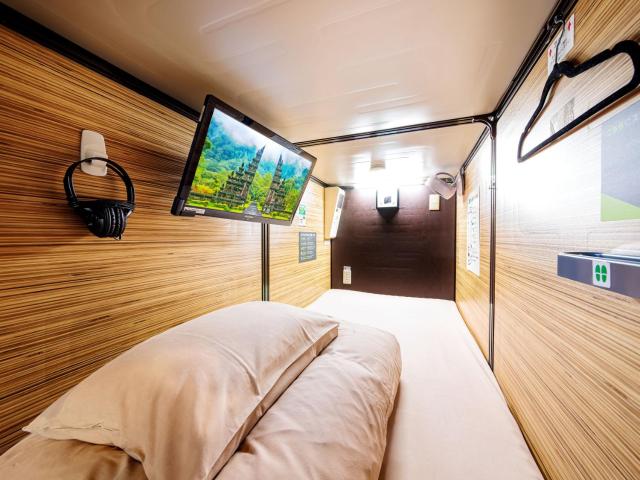
misterb&b lists LGBTQ+-verified accommodation across Japan - from Tokyo's Shinjuku and Ni-chome area guesthouses and capsule hotel alternatives to Osaka's Namba and Doyamacho area properties and Kyoto's machiya townhouse stays. Browse gay hotels in Japan and gay BnBs in Japan for the full selection.
Is Japan safe for gay travelers?
Yes - Japan is broadly safe for LGBTQ+ travelers, with important context about the gap between its welcoming urban culture and its incomplete legal framework. The full picture is in the is Japan safe for gay travelers guide.
Browse LGBTQ+-verified accommodation across Japan - from Tokyo's Ni-chome to Osaka's Doyamacho and Kyoto's historic machiya guesthouses.
Book your Japan stay on misterb&bConnect with gay travelers and Japanese locals on Weere - 1,000,000+ members worldwide - before your trip. 🏳️🌈
Frequently asked questions - gay Japan
Should I book LGBTQ+-verified accommodation when traveling in Japan?
Yes - particularly given Japan's absence of anti-discrimination law. Booking through misterb&b guarantees your host has explicitly chosen to welcome LGBTQ+ guests. This individual verification is more meaningful in Japan than in countries with comprehensive legal protection. This data is exclusive to misterb&b and is not available on any other platform.
Is Japan gay-friendly?
In Tokyo's Ni-chome and Osaka's Doyamacho, yes - these are world-class LGBTQ+ destinations. More broadly, Japan's social environment for LGBTQ+ travelers is increasingly open and rapidly evolving. Homosexuality has never been criminalized. Tokyo Rainbow Pride draws tens of thousands. At the same time, Japan has no national same-sex marriage or legal recognition, no comprehensive anti-discrimination law, and a social culture that values discretion in public - which creates a specific character of welcome that is warm but different from Western European norms.
What is Ni-chome?
Ni-chome - officially Shinjuku 2-chome - is one of the most celebrated gay neighborhoods in the world. Several blocks in the Shinjuku district contain hundreds of tiny, intensely individual LGBTQ+ bars, clubs, and venues - many serving fewer than ten people - creating a density and variety of gay life that has no parallel in Asia and few parallels anywhere. It is one of the essential LGBTQ+ travel experiences in the world.
When is Tokyo Rainbow Pride?
Tokyo Rainbow Pride takes place annually in late April-May, centered on Yoyogi Park in central Tokyo. It has grown rapidly to become one of Asia's largest LGBTQ+ events, with major corporate and media engagement alongside community participation. Check the Gay Pride Japan agenda for confirmed 2026 dates.
Is Osaka worth visiting for gay travelers?
Absolutely. Osaka's Doyamacho area has one of Japan's most vibrant gay scenes - distinct from Tokyo's Ni-chome in its more extroverted, Kansai character. Osaka is also one of Japan's great food cities, with extraordinary street food culture, Dotonbori's spectacular nighttime energy, and easy access to Kyoto and Nara. A Japan trip combining Tokyo and Osaka is the classic LGBTQ+ itinerary for good reason.
Sources: misterb&b exclusive travel data, 2026 | ILGA World State-Sponsored Homophobia 2025 | Japan Tourism Agency | nijipi.net (Rainbow Pride Japan) | misterb&b Search Console, Jan 2025 - Jan 2026
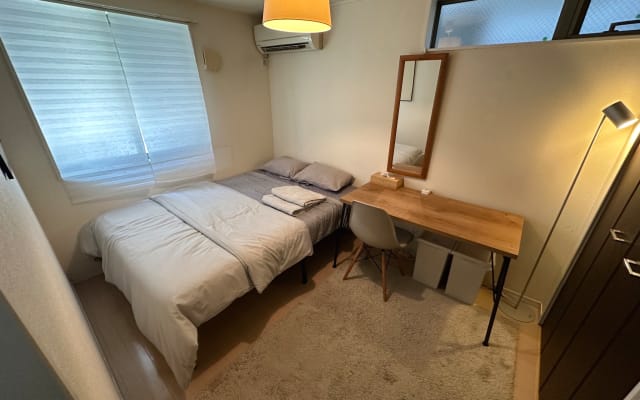

Booked 100 times
Private room •
Shibuya
Clothing optional accepted • Happy to share local tips • LGBTQ+ venues nearby
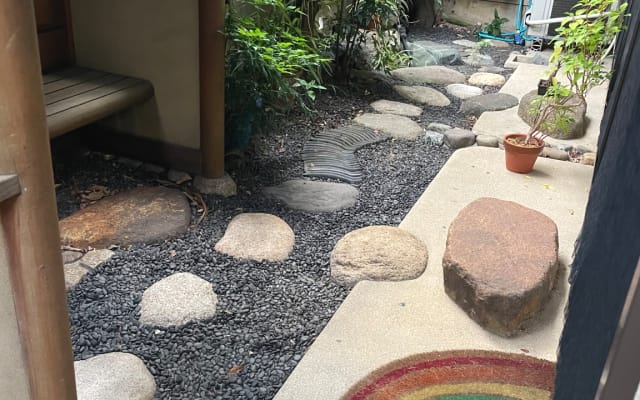

Booked 72 times
Private room •
Toshima
Happy to share local tips • LGBTQ+ venues nearby • Wi-Fi
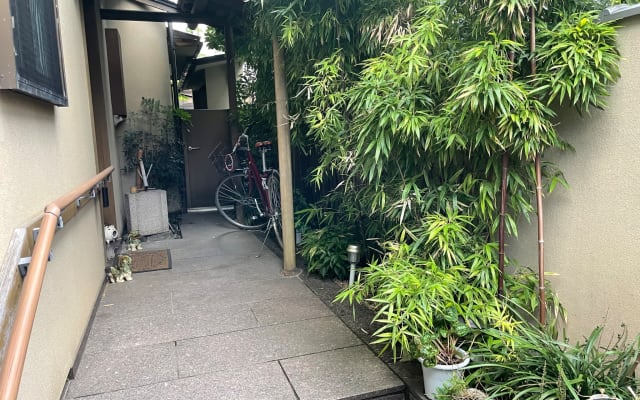
Booked 46 times
Private room •
Toshima
Happy to share local tips • LGBTQ+ venues nearby • Wi-Fi
Instant booking


Booked 40 times
Entire place •
Shinjuku
LGBTQ+ venues nearby • Wi-Fi • Hot tub
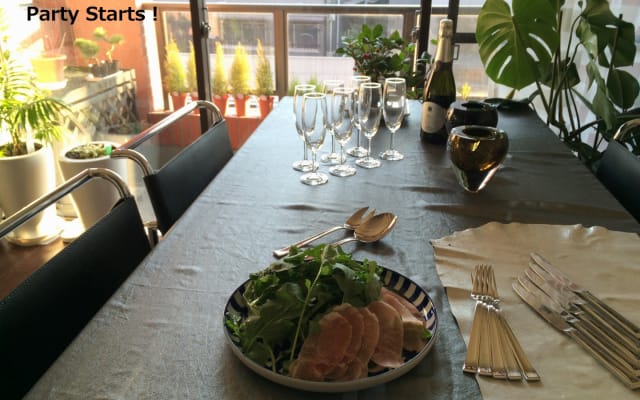

Booked 39 times
Private room •
Nakano
Clothing optional accepted • Happy to share local tips • LGBTQ+ venues nearby


Booked 19 times
Private room •
Suginami
Clothing optional accepted • Happy to share local tips • LGBTQ+ venues nearby
Availability confirmed


Booked 17 times
Private room •
Shinjuku
Happy to share local tips • LGBTQ+ venues nearby • Gym nearby


Booked 14 times
Private room •
Otsu
Wi-Fi • Parking • Air conditioning
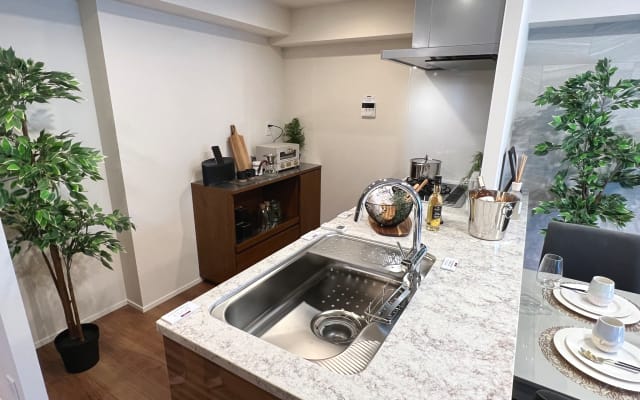

Booked 14 times
Private room •
南区
Clothing optional accepted • Gym nearby • Wi-Fi


Booked 11 times
Private room •
Hannō
Wi-Fi • Breakfast included • Hot tub
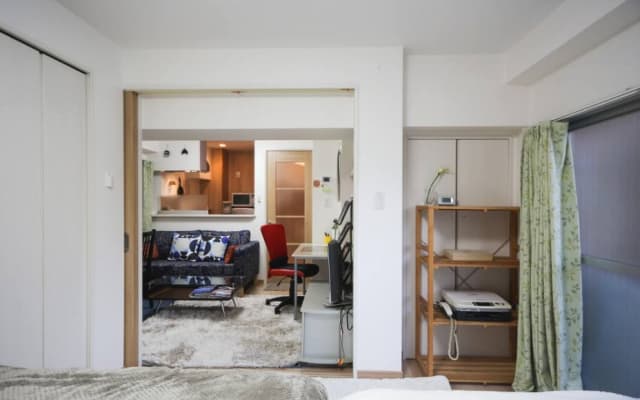

Booked 11 times
Entire place •
Higashi-okubo
Wi-Fi • Hot tub • Air conditioning

Booked 10 times
Shared space •
Koto
Clothing optional accepted • Happy to share local tips • Gym nearby
/location_photos/data/6940/original/tokyo.jpg)
Advertisement
King of College Since
2F Sakagami Bldg 2-14-5 Shinjuku , Shinjuku-ku
King of College since 1977: Tokyo’s long-running gay host bar and escort service King of College since 1977 is a gay host bar and professional male escort service located on the second floor of the Sakagami Building at 2-14-5 Shinjuku, in the...
BodyBreath
near Shinjuku-ku Gyoen Station
Tucked into the basement of a building in Shinjuku, just a few minutes’ walk from Ni-chōme, the world’s densest concentration of gay bars, BodyBreath! keeps its own hours entirely: 24, every single day. In a city that never really slows down, this...
Arch
Futami Building, 1F, 2-14-11 Shinjuku, Tokyo
Back in the heart of Shinjuku Ni-chōme after an eight-year absence, ArcH is one of those Tokyo gay nightlife institutions that refuses to stay in the history books. Originally launched in 2006, the club closed in 2017 before making a highly antici...
/location_photos/data/14731/original/24-20ueno-20-1-1781794960.jpg)
24 Kaikan - Ueno
1 Chome−8−7 24
24 Kaikan Ueno is one of Tokyo’s largest and best-known gay saunas, a 24-hour sauna-and-hotel spread over ten floors in Kitaueno, about an eight-minute walk from JR Ueno Station. Inside you’ll find Japanese-style communal baths at different temper...
/location_photos/data/14754/original/jinya-20-1-1781971529.jpg)
Jinya
2 Chome−30−19, Ikebukuro
JIN-YA is a compact, long-running gay sauna in Tokyo’s Ikebukuro district, widely regarded as the most foreigner-friendly bathhouse in the city. Spread over several floors, it has a dry sauna, communal baths at varying temperatures, a whirlpool, a...
/location_photos/data/14733/original/24-20asakusa-20-1-1781796466.jpg)
24 Kaikan - Asakusa
2 Chome-29-16 Asakusa
4 Kaikan Asakusa is the original branch of Tokyo’s well-known 24 Kaikan group, a 24-hour gay sauna and budget hotel a short walk from Senso-ji Temple and the Asakusa sights. Spread over several floors, it blends a traditional Japanese public-bath ...
/location_photos/data/14732/original/24-20shinjuku-20-1-1781796056.jpg)
24 Kaikan - Shinjuku
2 Chome-13-1 Shinjuku
24 Kaikan Shinjuku is the largest and best-known gay sauna in Tokyo, set across eight floors in the heart of Shinjuku Ni-chome, the city’s main LGBTQ+ district. Open around the clock, it has dry and mist saunas, Japanese-style hot and cold baths, ...

Ready to make friends, join activities, or find dates in Japan?
Join our thriving LGBTQ+ community of 1M and start connecting!

Japan: The best gay-friendly hotels
Welcoming
Instant booking

Booked 4 times
Hotel •
***
Kyoto
Wi-Fi • Spa • Parking
Welcoming
Instant booking
Booked 7 times
Hotel •
***
Tokyo
Gay District • Wi-Fi • Hot tub
100% gay
Instant booking
Booked 9 times
Hotel •
**
Tokyo
Wi-Fi • Adult Only
Welcoming
Instant booking

Booked 15 times
Hotel •
*
Tokyo
Wi-Fi • Adult Only • Sauna
Welcoming
Instant booking

Booked 4 times
Hotel •
***
Kyoto
Wi-Fi • Elevator
Welcoming
Instant booking
Booked 4 times
Hotel •
**
Kyoto
Wi-Fi • Restaurant • Smoking allowed
Welcoming
Instant booking

Booked 5 times
Hotel •
***
Osaka
Wi-Fi • Parking • Restaurant
Welcoming
Instant booking
Booked 3 times
Hotel •
***
Tokyo
Wi-Fi • Parking • Restaurant
Welcoming
Instant booking

Booked 10 times
Hotel •
**
Tokyo
Gay District • Wi-Fi • Elevator
Welcoming
Instant booking
Booked 3 times
Hotel •
*
Tokyo
Wi-Fi • Adult Only • Hot tub
Welcoming
Instant booking

Booked 3 times
Hotel •
**
Tokyo
Wi-Fi • Elevator
Welcoming
Instant booking

Booked 3 times
Hotel •
Tokyo
Gay District • Wi-Fi • Elevator
Want to promote your business in our guide?